12 January 2026
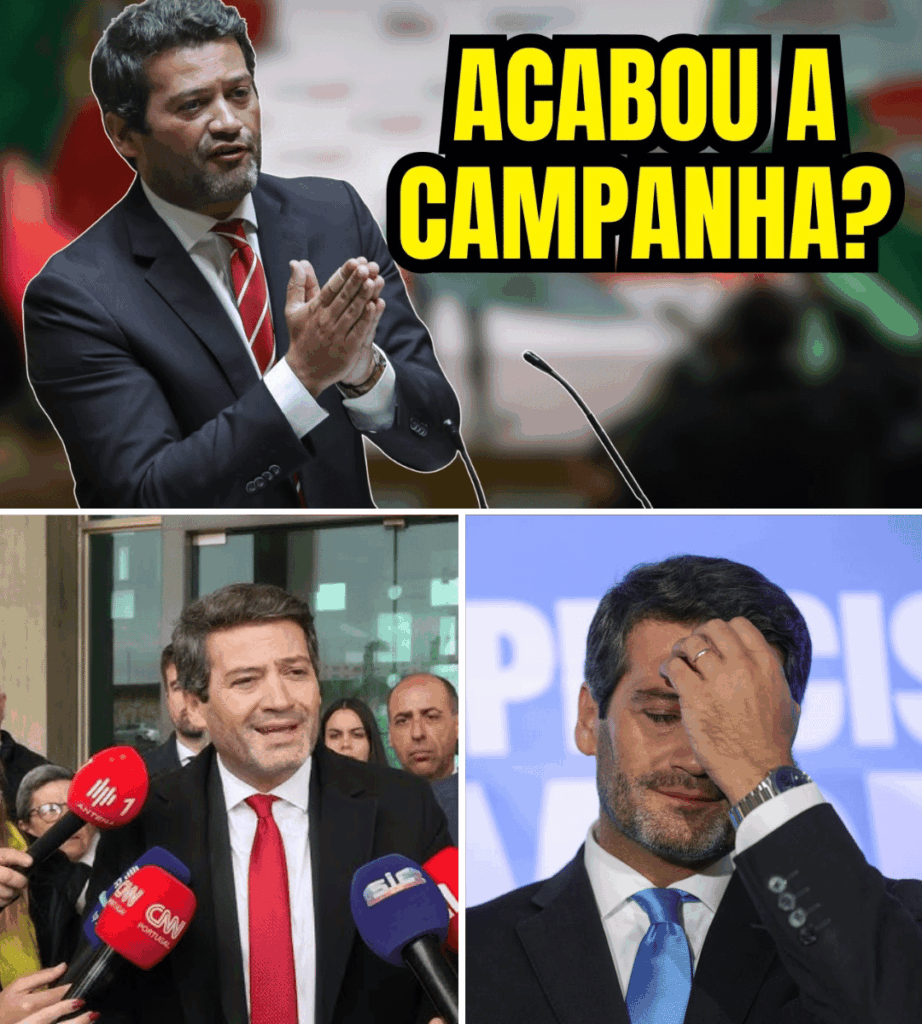
Título: A Decisão que Abala a Política: Tribunal Derruba André Ventura Em uma reviravolta que promete agitar os ânimos políticos, o Tribunal Cível de Lisboa ordenou a retirada imediata dos cartazes de campanha de André Ventura, líder do Chega, que foram considerados discriminatórios em relação à comunidade cigana. A decisão, que Ventura classificou de “injusta”, revela tensões profundas na política portuguesa. A juíza Ana Barão foi clara ao afirmar que Ventura tem o direito de recorrer, mas a solicitação de efeito suspensivo não se aplicava ao caso. O tribunal destacou que a liberdade de expressão não pode sobrepor-se à proteção dos direitos fundamentais, um ponto crucial em uma democracia saudável. Ventura, que se mostrou frustrado, ainda assim anunciou que cumpriria a ordem. Em uma declaração contraditória, Ventura insistiu que continuaria a utilizar os mesmos cartazes, mesmo após a decisão judicial. Essa postura levanta questões sobre o respeito às instituições e à legalidade em um estado democrático. Embora critique a decisão, sua obediência à ordem judicial é um passo que não pode ser ignorado. O tribunal não apenas aplicou a lei, mas também enfatizou a importância da reputação e do bom nome de todos os cidadãos. A decisão de Ventura de singularizar a comunidade cigana em suas campanhas é, no mínimo, preocupante e pode ser vista como uma tentativa de perpetuar estigmas sociais. A questão central que emerge desse episódio é: onde está o limite da liberdade de expressão na política? Ventura defende seu direito de se expressar, mas a linha entre a liberdade e a discriminação é tênue e merece uma discussão mais aprofundada. A sociedade portuguesa está dividida. Enquanto alguns apoiam a liberdade de expressão de Ventura, outros argumentam que suas mensagens cruzam a linha do respeito e da dignidade humana. A necessidade de um debate aberto e respeitoso sobre esses temas é mais urgente do que nunca. A decisão do tribunal é um lembrete de que em uma democracia, a justiça deve prevalecer sobre a retórica política. A obediência às leis e decisões judiciais não deve ser opcional, e todos, independentemente de sua etnia, devem cumprir as regras estabelecidas. O que isso significa para o futuro político de Ventura e do Chega? A resposta a essa pergunta pode moldar o cenário político em Portugal nos próximos meses. Os cidadãos devem refletir sobre o tipo de liderança que desejam e como a política deve interagir com a justiça. A situação é um convite à reflexão: será que a liberdade de expressão deve ser ilimitada, ou existem barreiras que devem ser respeitadas para proteger a dignidade de todos? A discussão está aberta e as vozes da sociedade precisam ser ouvidas.
12 January 2026
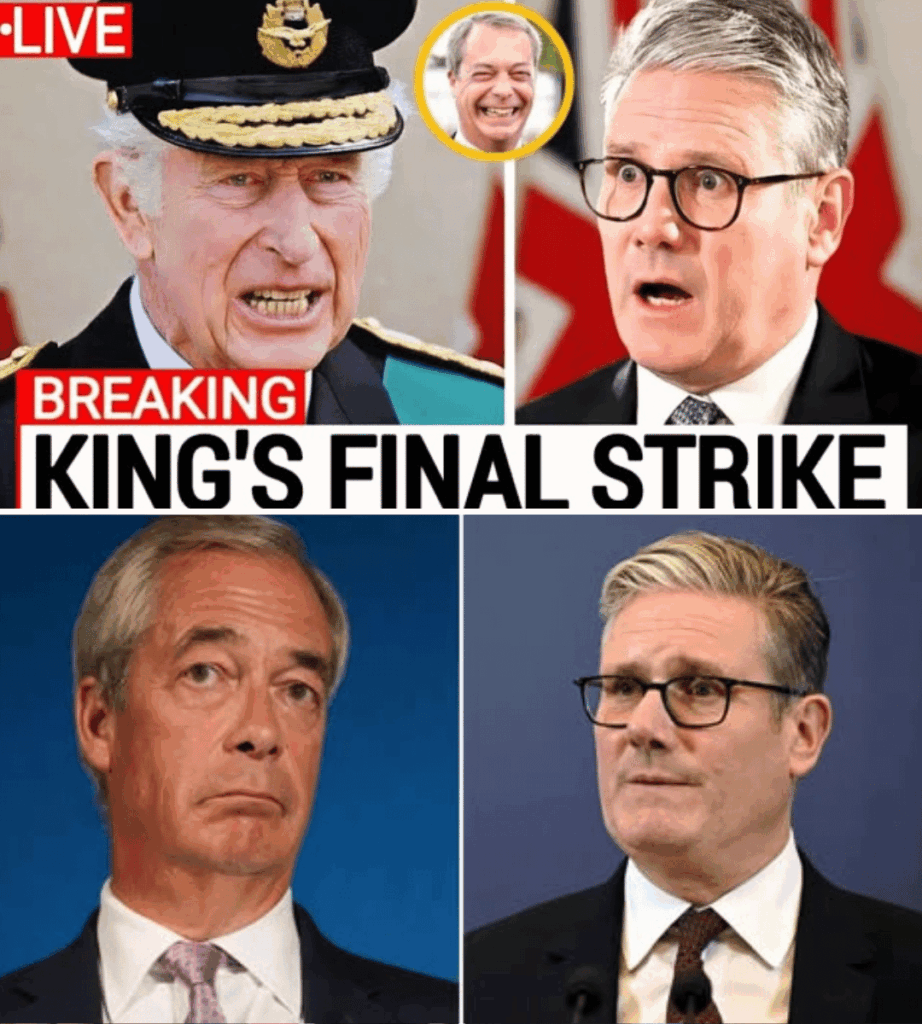
BREAKING: A monumental clash between Prime Minister Keir Starmer and King Charles III has sent shockwaves through Britain, igniting a constitutional crisis that could redefine the monarchy’s role forever. With protesters flooding the streets and Parliament in uproar, the nation holds its breath as tensions escalate. The crisis erupted when 𝓵𝓮𝓪𝓴𝓮𝓭 documents revealed Starmer’s government secretly drafting legislation aimed at curtailing the monarch’s powers. This explosive revelation 𝒄𝒂𝓊𝓰𝒉𝓉 King Charles off guard, as he learned of the government’s intentions through a press leak rather than official communication. The king’s fury was palpable, leading to an unprecedented statement from Buckingham Palace that accused Starmer of “constitutional vandalism.” The Prime Minister responded with defiance, asserting that no institution, including the Crown, is above democratic reform. This bold declaration has drawn battle lines, with supporters on both sides rallying for their causes. As Parliament convenes in emergency sessions, the nation is split, with some viewing Starmer’s actions as necessary modernization and others labeling it an attack on the monarchy. Former Prime Ministers have weighed in, calling this moment one of the most dangerous constitutional crises since the abdication of Edward VIII. The streets of London are alive with demonstrators, some defending the king and others backing the Prime Minister. The atmosphere is charged, with police on high alert amid fears of escalating tensions. Public opinion is sharply divided, particularly among younger voters who see the monarchy as an outdated institution. In contrast, older generations rally behind King Charles, fearing that a weakened monarchy could undermine the nation’s stability. Social media is ablaze with hashtags supporting both sides, further fueling the conflict. Constitutional experts warn that this unprecedented situation could lead to a fundamental rupture in Britain’s unwritten constitution. With both sides refusing to back down, the potential for a constitutional crisis looms large. Legal scholars are scrambling to find historical precedents, and the chilling reality is that the conventions that have held the monarchy and government together for centuries are being tested like never before. Behind the scenes, attempts at mediation are underway, but both Starmer and Charles remain steadfast in their positions. The stakes are high, with the future of the monarchy and the very nature of British democracy at risk. As the world watches, the outcome of this confrontation will shape the political landscape for generations to come. International reactions are pouring in, with concerns about Britain’s stability reverberating across the globe. The economic implications are already being felt, as the pound drops sharply amid rising uncertainty. Business leaders are calling for calm, urging both sides to find a resolution before the situation spirals further out of control. As the clock ticks down, the next few hours are critical. Will a compromise be reached, or will the Prime Minister and the King continue their standoff? The nation awaits answers, and the tension is palpable. In a moment that will be etched in history, Britain stands at a crossroads, facing a potential transformation of its constitutional monarchy.

12 January 2026
Andrew Bragg has relentlessly confronted government officials over their refusal to release a critical Housing Australia governance report, exposing a chilling secrecy that contradicts parliamentary orders. Despite the Senate’s 𝓮𝔁𝓹𝓵𝓲𝓬𝓲𝓽 rejection of a public…

12 January 2026
À 74 ans, Jean-Jacques Goldman a enfin révélé un secret longtemps enfoui : “Elle est l’amour de ma vie.” Cette confession inattendue a secoué la France entière, mettant en lumière les raisons de son…

12 January 2026
Trois jours avant sa mort tragique, Maurane, la célèbre chanteuse belge, a révélé au monde entier la vérité déchirante sur sa voix perdue. Lors d’un dernier concert à Bruxelles, elle a brisé le silence…

12 January 2026
Britain is in crisis as organized shoplifter gangs ravage Poundland stores, stripping shelves bare within hours and pushing the nation’s crime rates to historic highs. With over half a million thefts recorded annually, violence…