A groundbreaking DNA analysis has just shattered centuries-old myths about the Scottish Picts, revealing their true origins as indigenous descendants of ancient northern Britain rather than mysterious foreign invaders. This landmark discovery rewrites Scotland’s history, exposing the Picts’ deep genetic ties and their lasting legacy hidden beneath layers of migration and cultural transformation.

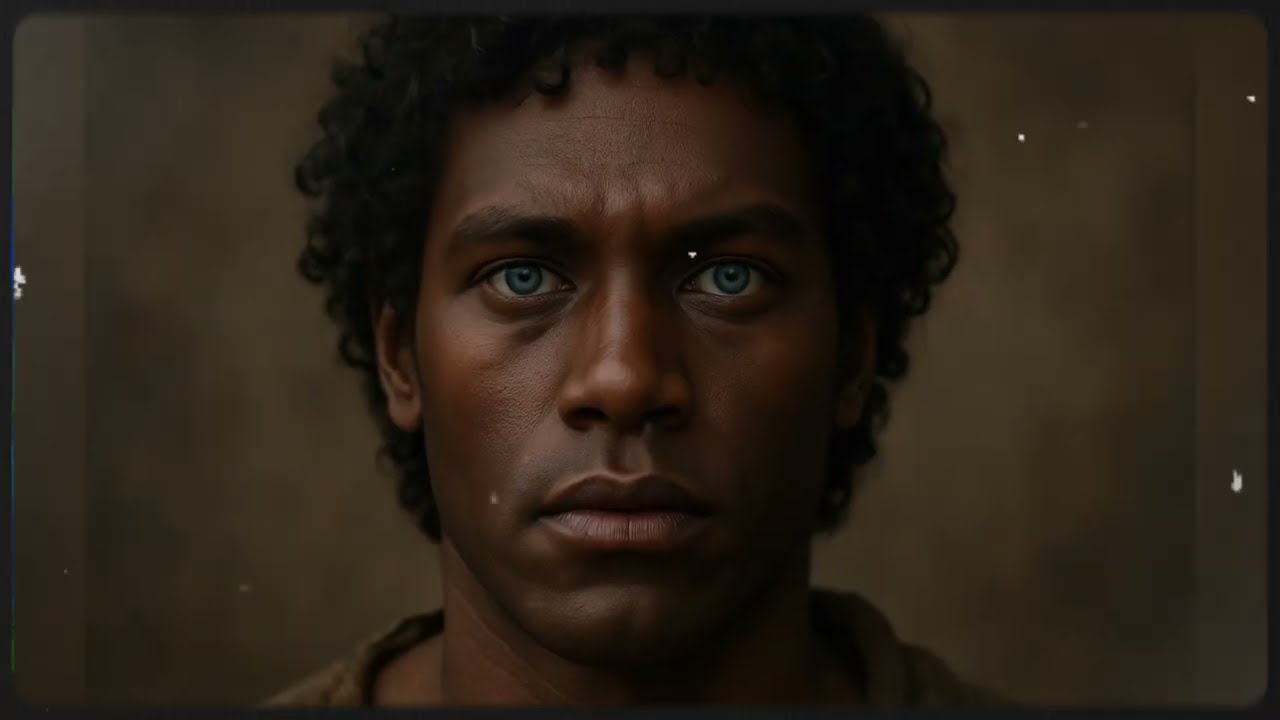
Long before the first written records, Scotland was an icy, uninhabitable wilderness. As glaciers receded 12,000 years ago, hardy Mesolithic hunter-gatherers braved the brutal terrain, leaving behind barely traceable DNA markers. These early inhabitants possessed striking features—dark skin paired with piercing blue eyes—challenging conventional views of prehistoric Europeans and hinting at an extraordinary survival in harsh climates.
Over millennia, these Mesolithic settlers carved out lives across a savage landscape of mountains, islands, and valleys. Isolation preserved their unique genetic identity, especially in remote Highlands and Western Isles. This ancient lineage echoed through generations, forming one of history’s rarest continuous genetic threads, offering a tangible link from Scotland’s first human footprints to modern populations.
Then, about 4,500 years ago, the Bronze Age ushered in the Beaker people, migrants from continental Europe wielding new tools and customs. Their arrival triggered one of Europe’s most dramatic genetic turnovers, replacing paternal lineages across Britain yet blending unevenly in Scotland. While eastern and lowland areas absorbed this wave, western and northern enclaves clung fiercely to older ancestries, preserving a complex human mosaic.
From these layered legacies emerged the enigmatic Picts, whose name first appeared in Roman writings circa 297 AD as “the painted ones.” Far from strangers, they were the living continuation of Scotland’s ancient peoples, whose iron-age culture flourished amid defiant resistance to Roman conquest and a fiercely challenging environment. Their mysterious symbol stones, etched with undeciphered motifs, stand testimony to a sophisticated, indigenous civilization.
For centuries, Pictish origins were clouded by speculation, myth, and scant archaeological evidence. But the recent pioneering extraction of ancient DNA from Pictish burial sites has changed everything. Working in sterile labs, scientists recovered remarkably preserved genetic material from two key sites, unlocking the Picts’ biological narrative for the first time in history and overturning long-held assumptions.
These genome analyses disprove theories linking the Picts to distant lands such as the Balkans or Thrace. Instead, they prove the Picts were descendants of Iron Age northern Britons—native to the land. Moreover, genetic evidence contradicts the idea of matrilineal succession in Pictish society, revealing diverse maternal lineages and female exogamy rather than inheritance through female bloodlines.
A paradox emerged when comparing ancient Pictish DNA to modern populations. Intriguingly, the strongest genetic connections appear not in eastern Scotland—the Picts’ historic power base—but in western Scotland, Wales, Northern Ireland, and parts of northern England. This surprising pattern arises from subsequent Anglo-Saxon and Viking migrations reshaping eastern genetic landscapes, while western regions preserved older Pictish continuity.

The Anglo-Saxon influx from continental Europe and the Viking expansions from Norway profoundly altered eastern and northern Scotland. Coastal strongholds fell under Norse influence; Scandinavians intermarried widely, embedding their DNA deeply in former Pictish heartlands. In contrast, rugged western territories remained genetic refuges, untouched by these waves, allowing ancient bloodlines to endure uninterrupted across centuries.
This discovery highlights a crucial distinction: cultural identity and biological heritage do not always align. While eastern Pictish areas were culturally transformed, the Pictish genetic legacy endured robustly in western enclaves. The disappearing Pictish name reflects evolving identities rather than extinction—a subtle, profound blending of peoples across shifting political and linguistic landscapes in early medieval Scotland.
The enduring mystery of the Picts’ disappearance from history now appears clarified. DNA evidence confirms the Pictish people did not vanish or face violent eradication but gradually merged into the emerging Gaelic-speaking societies. The rise of Kenneth MacAlpin in 842 AD symbolized a political and cultural consolidation rather than conquest, uniting closely related groups under one crown amidst Viking threats.

Over time, Gaelic became dominant, absorbing Pictish language and culture, while Pictish names and carved symbols faded. Yet, their genetic imprint persisted, woven invisibly into the population. Far from a lost race, the Picts form an foundational ancestral layer of Scotland’s people, their story transformed from dramatic extinction to continuous cultural evolution through resilience and adaptation.
This seismic genetic revelation rewrites Scotland’s entire origin narrative. It demolishes centuries of myth, restoring the Picts as an integral, native population whose legacy still pulses through today’s inhabitants. Beyond mystery and legend, the Picts solidify their place as architects of Scotland’s enduring cultural and genetic tapestry, challenging historians to rethink what it truly means to disappear.
As science continues to unlock ancient secrets buried beneath Scotland’s rugged terrain, the story of the Picts stands as a testament to the power of DNA to illuminate hidden histories. This breakthrough underscores that history is not merely about conquest or loss, but survival, transformation, and the enduring human spirit etched across millennia of time.
Source: YouTube\