A high-ranking federal official standing before cameras in Minneapolis, unveiling what is described as one of the largest criminal takedowns in modern U.S. history. According to the account, the operation dismantled a sprawling trafficking empire tied to MS-13, involving millions of fentanyl pills, tons of narcotics, and even alleged corruption within law enforcement itself.
At first glance, the scale is staggering. Numbers are presented with precision—dozens of arrests, hundreds of investigations, and an intricate web of criminal logistics stretching across multiple states. The narrative paints a picture of a deeply embedded network, one that allegedly infiltrated not just communities but institutions designed to protect them.
But when examined more carefully, the story raises immediate questions.

There is no publicly verified record of an FBI Director named Nathaniel Grayson leading such an operation. No major federal press release, Department of Justice statement, or credible national news outlet has confirmed an event of this magnitude occurring in Minneapolis or anywhere else in the United States within the described timeframe. For an operation involving over a thousand agents, multiple states, and hundreds of arrests, the absence of corroboration is not just unusual—it is a red flag.
This is where the narrative shifts from reporting to something closer to constructed storytelling.
The details are cinematic: synchronized raids at precisely timed intervals, hidden super-labs behind false walls, encrypted servers revealing vast conspiracies, and a single central figure orchestrating a system-wide betrayal. These elements follow a familiar pattern often seen in dramatized crime narratives—high tension, centralized villains, and sweeping revelations that tie everything together into a single, coherent plot.
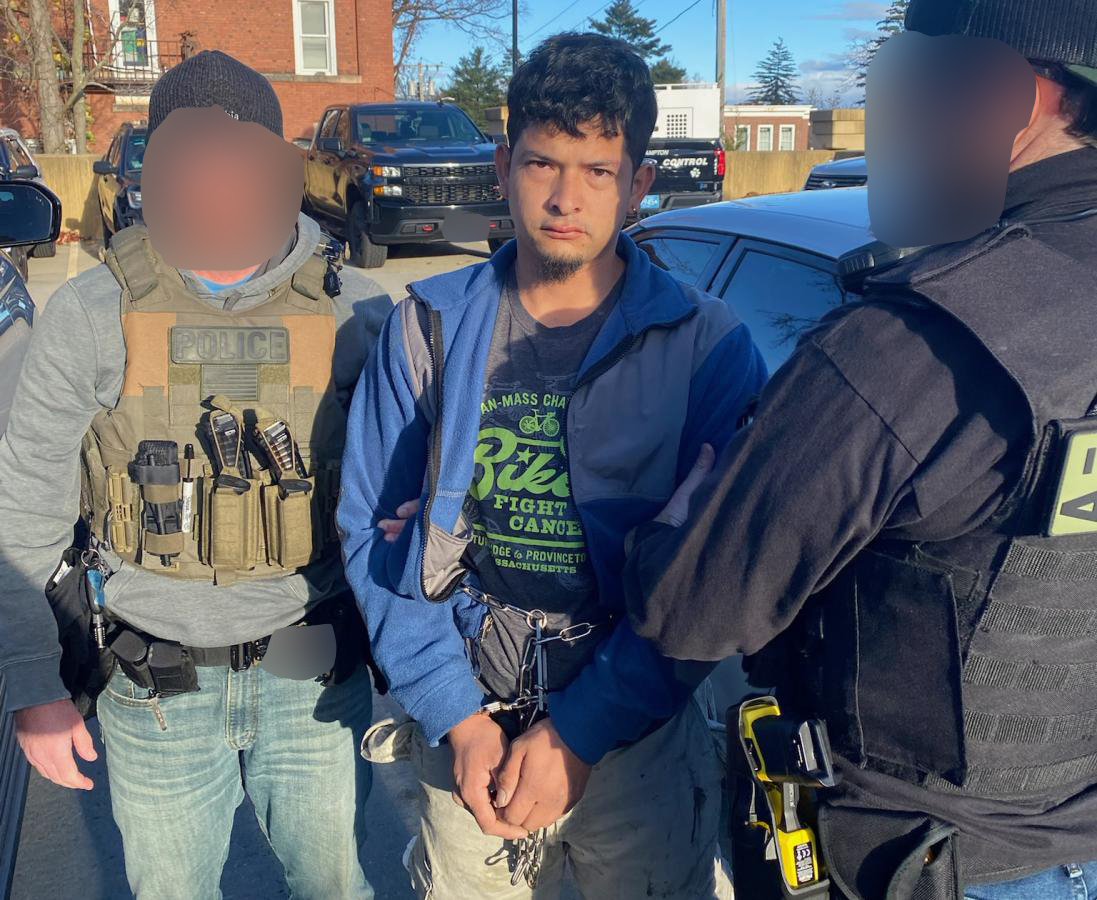
Real-world investigations, especially those involving federal agencies, are rarely so clean or coordinated in presentation. They unfold over months or years, with incremental disclosures, legal constraints, and often conflicting information. The idea of a single operation uncovering such a perfectly structured conspiracy, complete with digital proof of every layer, is far less common in reality than in fiction.
Another critical issue lies in the claim of widespread law enforcement corruption at such a massive scale. While corruption cases do occur—and have been documented throughout history—the suggestion that over 160 officers across multiple states were simultaneously involved in a coordinated criminal enterprise would represent one of the largest scandals in U.S. history. Such an event would dominate headlines globally, trigger congressional hearings, and result in extensive public documentation. None of that evidence appears to exist.

That does not mean concerns about institutional accountability are unfounded. Public skepticism toward authority, especially in areas involving drug enforcement, trafficking, and border-related crime, has grown over time. Real cases of misconduct, failures in oversight, and gaps in enforcement have contributed to that skepticism. However, skepticism should not be replaced by unverified narratives that present themselves as established fact.
The inclusion of highly specific yet unverifiable elements—such as named operations like “Iron Veil” or “Reclamation,” detailed financial figures, and intricate methods of corruption—can give a story the appearance of credibility. But specificity alone is not proof. In fact, fabricated or exaggerated accounts often rely on excessive detail to create the illusion of authenticity.

There is also a broader pattern worth noting. Stories like this tend to emerge in highly charged political or social environments, where distrust is already elevated. They often blend real-world issues—such as fentanyl trafficking, gang activity, and immigration concerns—with fictional or exaggerated components. The result is a narrative that feels plausible because it is anchored in genuine fears, even if the specific claims are unsupported.
This blending can be particularly powerful. It transforms complex, nuanced issues into simplified stories with clear villains and dramatic resolutions. But in doing so, it can distort public understanding, making it harder to distinguish between verified threats and constructed narratives.
The human cost described in the story—overdose deaths, community harm, and exploitation—is very real in a broader sense. The opioid crisis, including fentanyl-related fatalities, has had devastating impacts across the United States. Law enforcement agencies do conduct operations targeting trafficking networks, and victims of human trafficking are rescued through coordinated efforts. These realities should not be dismissed.

However, attaching those real issues to an unverified and highly dramatized account risks undermining genuine awareness. It shifts focus away from documented cases and toward stories that may not withstand scrutiny.
In today’s information environment, the speed at which narratives spread often outpaces the ability to verify them. Social media, video platforms, and commentary channels can amplify claims before fact-checking occurs. By the time questions are raised, the story may already be widely believed.
This creates a challenge for audiences. It is no longer enough to react to what sounds compelling or alarming. Critical evaluation becomes essential—checking sources, looking for corroboration, and distinguishing between reporting and storytelling.
The narrative presented here, while gripping, lacks the foundational evidence required to treat it as factual reporting. It functions more as a cautionary example of how easily complex and emotionally charged stories can be constructed and circulated.

That does not make the underlying concerns irrelevant. Issues like drug trafficking, institutional trust, and law enforcement accountability remain important and deserving of attention. But they must be addressed through verified information, not narratives that blur the line between fact and fiction.
In the end, the most important takeaway is not the story itself, but the need for discernment. In a world where information is abundant and often unfiltered, the ability to question, verify, and think critically is more valuable than ever.
Because sometimes, the most dangerous narratives are not the ones that are obviously false—but the ones that feel just real enough to believe.