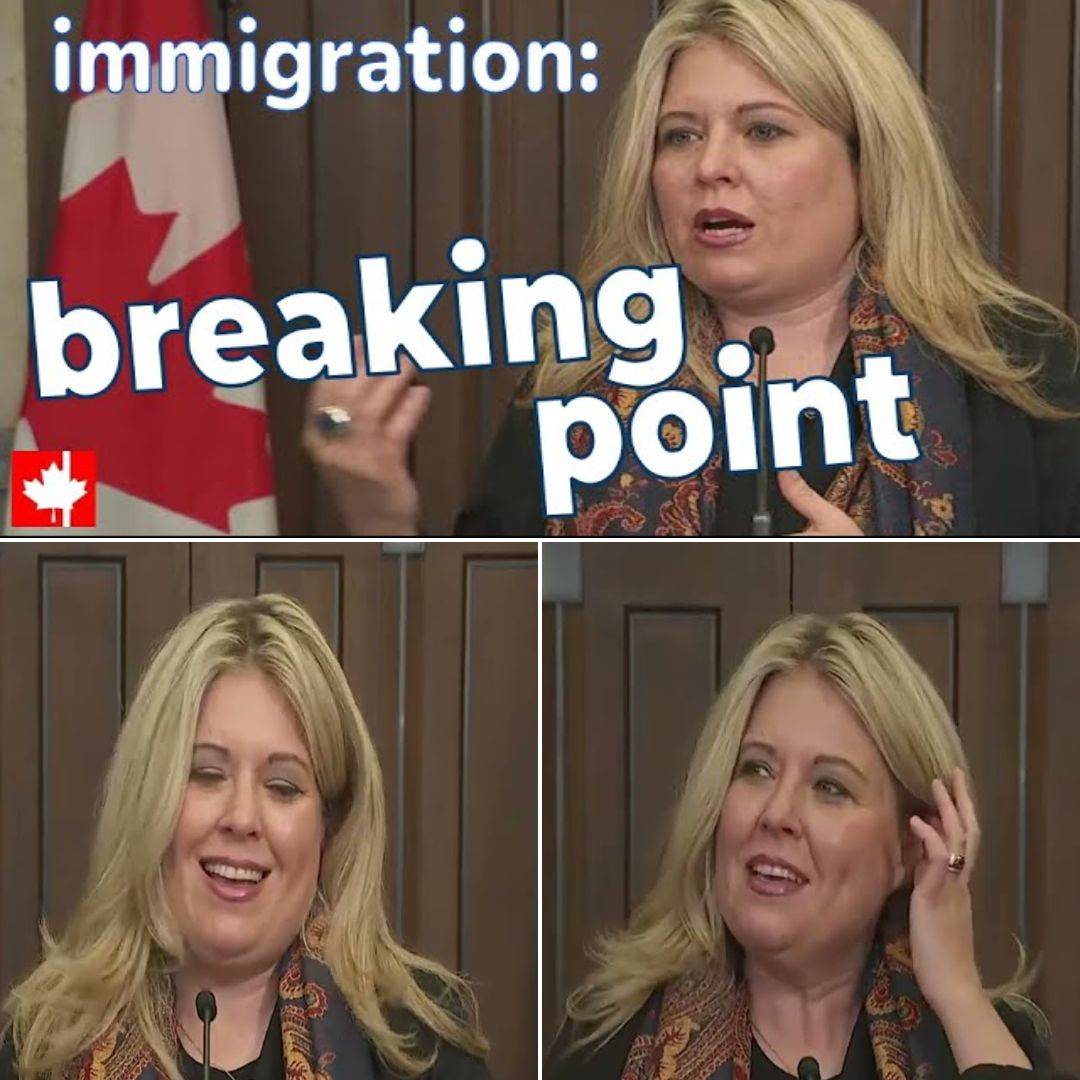
Canada’s immigration system is at a breaking point in 2026 amid spiraling crises that threaten the nation’s longstanding immigration consensus. Millions reside illegally on expired visas, illegal border crossings surge, and justice gaps fuel public outrage, demanding urgent government intervention to restore order and safeguard Canada’s future.
 Canada faces an unprecedented immigration crisis in 2026. The Liberal government confronts mounting pressure as millions live on expired or expiring temporary visas, with no credible plan for enforcement or removal. Simultaneously, hundreds of thousands more temporary permits are projected for issuance this year, worsening overstretched social systems.
The situation stems from a decade of Liberal policy failures, rapidly eroding fairness and compassion within the immigration framework. Roughly 500,000 undocumented persons live in Canada, many unwilling to leave despite no legal status. This fuels black market labor and intensifies acute housing, healthcare, and job shortages among Canadian citizens.
Critics condemn the government for ignoring reality. There was no exit tracking or asylum system reform to discourage visa overstays or 𝓪𝓫𝓾𝓼𝓮. Canadians face growing strain, while policies encouraging mass temporary residency risk overwhelming resources and social cohesion. Enforcing immigration law and ensuring “temporary” truly means temporary has become critical.
Another dire crisis involves a flood of illegal border crossings. Pending asylum claims soared from fewer than 10,000 in 2015 to 300,000 in late 2025, many from unauthorized entries from the United States. This backlog matches the population of mid-sized Canadian cities, paralyzing processing capacity and social support systems.
 The situation worsens with impending U.S. termination of Temporary Protected Status for approximately 350,000 Haitian nationals in February 2026. Many face forced return but are expected to cross illegally into Canada to avoid deportation. This historic trend threatens to intensify an already severe migration crisis in harsh winter conditions.
Canada’s safe third country agreement, intended to prevent asylum claim duplication, is undermined by a “family” loophole. The overly broad definition allows extensive extended relatives to qualify, enabling chain migration of questionable asylum seekers. This loophole prolongs processing delays and incentivizes fraudulent claims, fueling public frustration.
Human trafficking compounds the crisis. Recent RCMP operations intercepted dozens of suspected victims being moved in dangerous conditions, highlighting the human cost. Critics demand stricter enforcement of trafficking laws and government responsibility to crack down on smuggling networks exploiting vulnerable migrants.
Meanwhile, genuine refugees from conflict zones such as Ukraine, Hong Kong, and Sudan are left waiting indefinitely, as processing backlogs prioritize questionable claims. This misallocation of support undermines Canada’s humanitarian commitments and erodes trust in the government’s ability to fairly manage asylum and refugee intake.
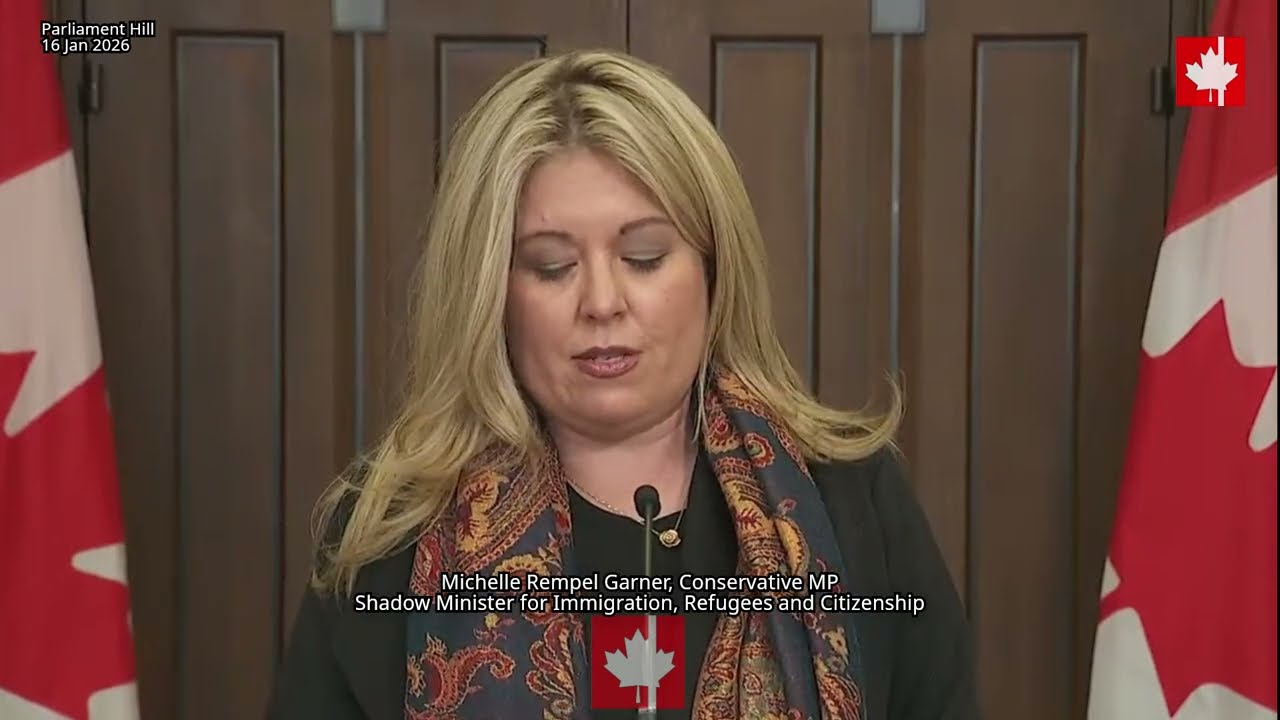
A third alarming development deepens divisions: non-citizens convicted of serious crimes are receiving lenient sentences to avoid deportation. Recent cases include dangerous offenders receiving minimal jail time due to immigration considerations, sparking outrage over a two-tier justice system that undermines legal equity and endangers public safety.
These judicial leniencies contravene public expectations of fairness, disadvantaging Canadian victims and fostering a perception of injustice. Calls for swift legislative action, including passage of Bill C20, aim to eliminate sentencing reductions based on immigration status, reinforcing the principle that crime consequences must be equal regardless of citizenship.
Conservatives are spearheading demands for the Liberal government to undertake immediate reforms across immigration and asylum systems. They urge the government to present enforceable plans to deport those with expired visas and curtail illegal border crossings through legislative and bilateral cooperation measures, including leveraging section 20.1 of the Immigration and Refugee Protection Act.
 Efforts also focus on narrowing the family definition within the safe third country agreement to align with Canada’s family class standards, reducing avenues for exploitation. Moreover, there is pressure to pause new refugee intakes in favor of resettling already eligible persecuted groups within Canada, addressing humanitarian priorities amidst capacity constraints.
Underlying these crises is a profound ideological conflict about national identity and Canada’s future. Former Heritage Minister critiques Liberal postnationalism, arguing the erosion of a shared Canadian identity exacerbates policy failures and societal fragmentation. Conservatives counter with a vision emphasizing unity, collective prosperity, and strengthened sovereignty.
Further institutional concerns arise around erosion of justice and law enforcement, linked to policies perceived as lenient toward non-citizens committing serious crimes. The public debate increasingly centers on restoring faith in Canada’s democratic institutions, the rule of law, and balanced immigration controls that protect national interests and humanitarian values alike.
The Liberal government stands at a crossroads. Its failure to address the intertwined immigration crises threatens social stability and public confidence. Immediate, decisive action is demanded to enforce existing laws, secure borders, support genuine refugees, and restore fairness in the justice system, ensuring Canada remains a welcoming yet orderly society.
As 2026 unfolds, Canadians await clear leadership amid these converging emergencies. The window for solutions narrows quickly, with social services stretched thin and public patience wearing thin. The time for political rhetoric is over—urgent policy shifts and enforcement measures are imperative to avert lasting damage to Canada’s immigration consensus and national unity.