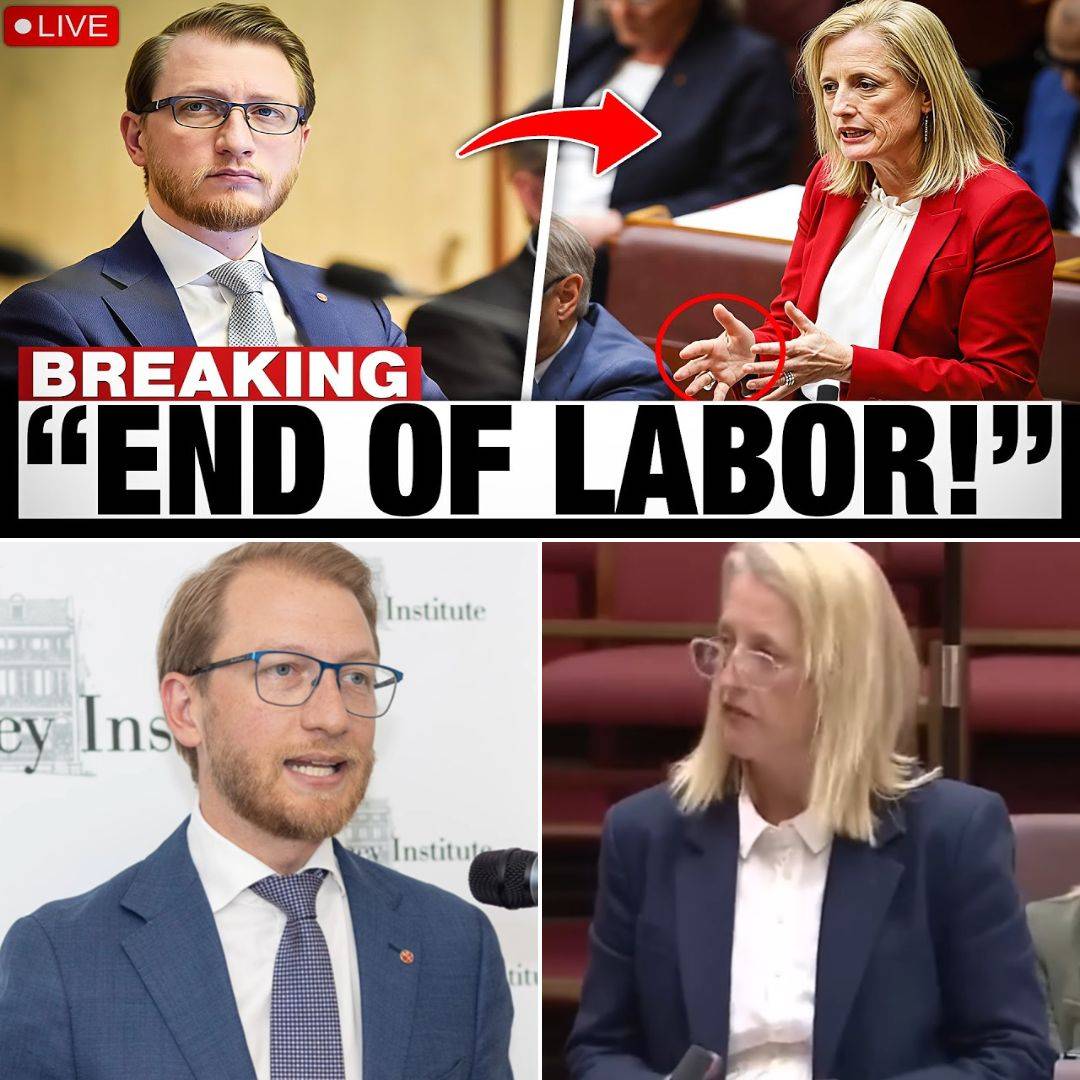
Katy Gallagher’s composure cracked during a fiery Senate exchange as she faced relentless pressure over the Reserve Bank’s surprise decision to freeze the cash rate at 3.6%. The government’s narrative of easing inflation clashed sharply with the harsh reality confronting millions of Australians struggling under sustained high interest payments.
 The Reserve Bank’s announcement dropped with immediate shockwaves, offering no meaningful relief for homeowners already burdened by soaring repayments. As economic anxiety intensified outside Canberra, the focus turned sharply to Senator Gallagher, representing the Treasurer, who was forced into a visibly strained defense of government spending and economic management.
Opposition senators pressed Gallagher with unyielding questions, citing the Reserve Bank’s own warnings that underlying inflation would remain uncomfortably high through mid-2026. They accused the government of reckless spending driving persistent inflation and elevated interest rates, challenging Gallagher to address the ongoing cost-of-living crisis directly.
Gallagher’s initial response deflected with a heavy reliance on past economic conditions, highlighting a time when inflation was even higher and touting job creation, lower debt levels, and rising wages. However, her reassurances faltered as the probing continued, exposing a widening disconnect between the government’s optimistic message and the grim financial realities faced by ordinary Australians.
The opposition’s use of the Reserve Bank’s fiscal projections struck at the heart of the debate, underscoring forecasts of inflation remaining above target well into the future. Gallagher rejected the premise, insisting government spending was not to blame, yet her rebuttal rang hollow amid mounting public skepticism about the durability of economic stability.
Tensions escalated further when the specter of stagflation was introduced—a dreaded trifecta of rising inflation, unemployment, and stagnant growth—prompting Gallagher to accuse the opposition of fearmongering and undermining confidence in the economy. This defensive posture revealed the government’s vulnerability as it grappled publicly with mounting economic pressures.
The senator’s pointed claims that criticism equated to threats against pensions, Medicare, and energy relief programs illuminated how tightly government spending is tied to its political identity. Yet for many Australians, these concessions offer little comfort when day-to-day expenses remain painfully high, fueling frustration that is rarely captured in formal political discourse.

Throughout the exchange, Gallagher maintained a steady yet visibly taut demeanor, reiterating the government’s achievements and commitment to bringing inflation down. Still, the palpable strain in her tone hinted at deeper unease as the Reserve Bank’s cautious stance underscored enduring uncertainties in the global and domestic economic environment.
This confrontation revealed more than policy disagreements; it 𝓮𝔁𝓹𝓸𝓼𝓮𝓭 a critical fracture in trust. Australians are growing weary of promises that relief is imminent while their financial burdens persist. The government’s narrative of control now sounds increasingly out of step with everyday experience, 𝓉𝒽𝓇𝑒𝒶𝓉𝑒𝓃𝒾𝓃𝑔 to erode confidence in political leadership.
The stark reality for millions is that the Reserve Bank’s rate freeze offers more waiting, not respite. The so-called calm authority of Canberra faces its sternest test yet as inflation forecasts predict no near-term escape from high costs. This unresolved tension amplifies fears of a prolonged economic squeeze with no clear end in sight.
The political theater in parliament became a microcosm of a broader national unease. Gallagher’s well-worn defenses failed to assuage critics or calm a public increasingly skeptical of official assurances. The gap between government rhetoric and the lived struggles of Australians widened, spotlighting the costly consequences of economic uncertainty.
While no explosive breakdown occurred in the chamber, the exchange marked a subtle yet significant shift in the discourse. The language hardened, patience thinned, and the fragile veneer of control showed signs of cracking. For households balancing budgets, this symbolic moment resonated far beyond parliamentary walls.

Gallagher’s staunch defense of the government’s record clashed directly with opposition demands for accountability over spending and inflation. Yet beneath the partisan combat lies a shared predicament: a central bank warning of persistent inflation, a government struggling to manage expectations, and citizens 𝒄𝒂𝓊𝓰𝒉𝓉 in the grinding middle.
As the Reserve Bank’s cautious approach signals prolonged challenges ahead, political leaders must confront the widening trust deficit. Confidence hinges not just on policy outcomes but on honest communication about limits and risks. In this moment, every word uttered in Canberra carries amplified weight for millions navigating economic uncertainty.
The freeze on interest rates is neither relief nor punishment but a precarious pause that leaves Australia suspended in limbo. The government’s narrative of progress falters against a backdrop of unyielding pressure on households. The slow erosion of trust underscores the urgent need for transparent leadership and realistic economic strategies.
This episode serves as a vivid reminder that economic policy is deeply personal. Interest rates dictate whether families can breathe or drown under debt. When official reassurances diverge from lived pain, political discourse risks becoming a hollow echo, undermining the vital contract between leaders and citizens.
Ultimately, this Senate exchange is a snapshot of growing national tension. It captures a government defending a contested record, an opposition voicing genuine fears, and an economy still grappling with inflation’s stubborn grip. The quiet crisis simmering beneath the surface demands urgent attention from all sides.

Gallagher’s struggle to maintain control highlights the political danger of prolonged economic hardship: slow disillusionment. When citizens stop believing leaders have mastery over events, explanations lose power, and credible governance is called into doubt. This moment may not resolve the crisis, but it starkly reveals its mounting challenge.
The Reserve Bank’s rate freeze, far from signaling stability, underscores ongoing volatility and the likelihood of persistent financial strain. For Australians, the question is no longer abstract policy but clear and immediate: who will bear the continuing cost, and how much longer must they wait for relief?
As this political and economic 𝒹𝓇𝒶𝓂𝒶 unfolds, the government’s authority is tested not only by global forces but by the everyday realities of families and businesses. The uncomfortable gap between reassurance and experience threatens to deepen unless addressed with frankness and effective action, not platitudes.
In the end, the most striking outcome is a creeping erosion of trust amid a narrative increasingly viewed as disconnected from people’s daily lives. The Reserve Bank’s cautious stance and the government’s defensive posture create a potent mix of anxiety and skepticism that will shape Australia’s political landscape in the months ahead.
Katy Gallagher’s Senate meltdown over the interest rate freeze is more than a momentary lapse; it is a symptom of a deeper national challenge. As inflation persists and economic pressures mount, Australians demand genuine solutions and honest leadership capable of navigating this fraught terrain with clarity and courage.