In a stark warning to Canadians, Pierre Poilievre, leader of the Conservative Party, declared that the nation is at a breaking point, grappling with soaring costs of living, a housing crisis, and a disillusioned youth. His urgent call for change underscores the pressing need for a government that prioritizes its citizens’ needs over bureaucratic expansion.

During a recent episode of The Knowledge Project, Poilievre articulated the frustrations of a generation he calls “screwed,” emphasizing that young Canadians face insurmountable barriers to home ownership and employment. He criticized the government’s approach, which he argues has exacerbated these issues by allowing rampant immigration without adequate infrastructure to support newcomers.
Poilievre’s vision for Canada hinges on a return to fundamental principles: a government that only intervenes where individuals cannot help themselves. He advocates for cutting unnecessary bureaucratic spending and eliminating capital gains tax to stimulate economic growth. This, he believes, will unlock the potential of young Canadians and restore hope in their future.

The Conservative leader also addressed the growing divide within Canadian society, suggesting that a lack of national identity has led to fragmentation. He called for a renewed focus on what unites Canadians, urging all citizens to prioritize their identity as Canadians above all else.

As the country faces a critical moment in its history, Poilievre’s message resonates with many who feel abandoned by the current government. He argues that the time for change is now, and that a government focused on hope and opportunity can lead Canada into a brighter future.
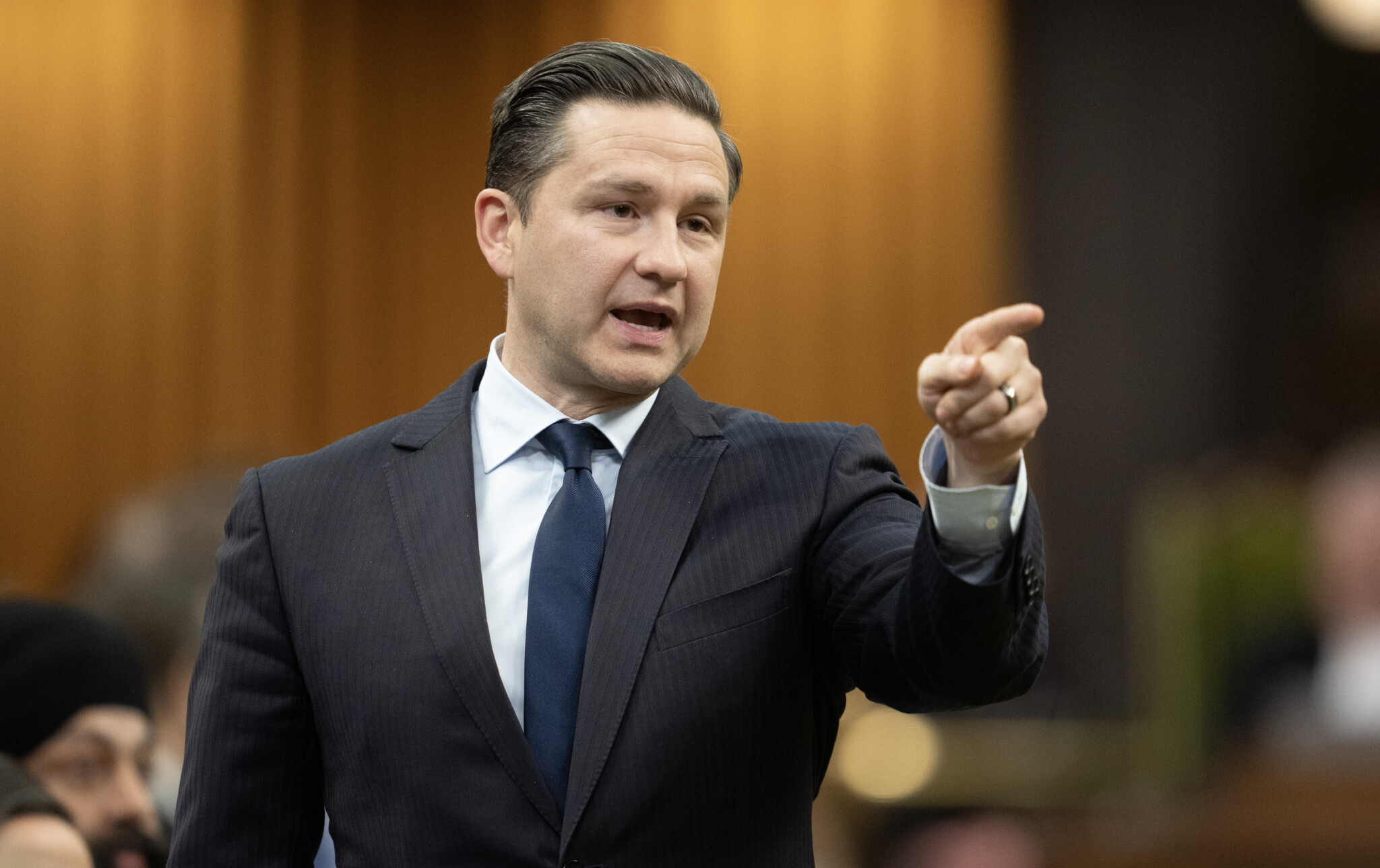
The urgency of Poilievre’s message is underscored by alarming statistics: food bank usage has surged, and many young people are delaying major life decisions due to economic instability. He insists that the government must prioritize its citizens’ needs, cutting foreign aid and redirecting funds to domestic issues.
With the next election looming, Poilievre’s call to action is clear: Canadians must demand a government that listens and acts in their best interest. The stakes are high, and the time for decisive action is now. As the nation grapples with its challenges, the question remains: will Canadians rally for change, or will they be left to navigate these turbulent waters alone?