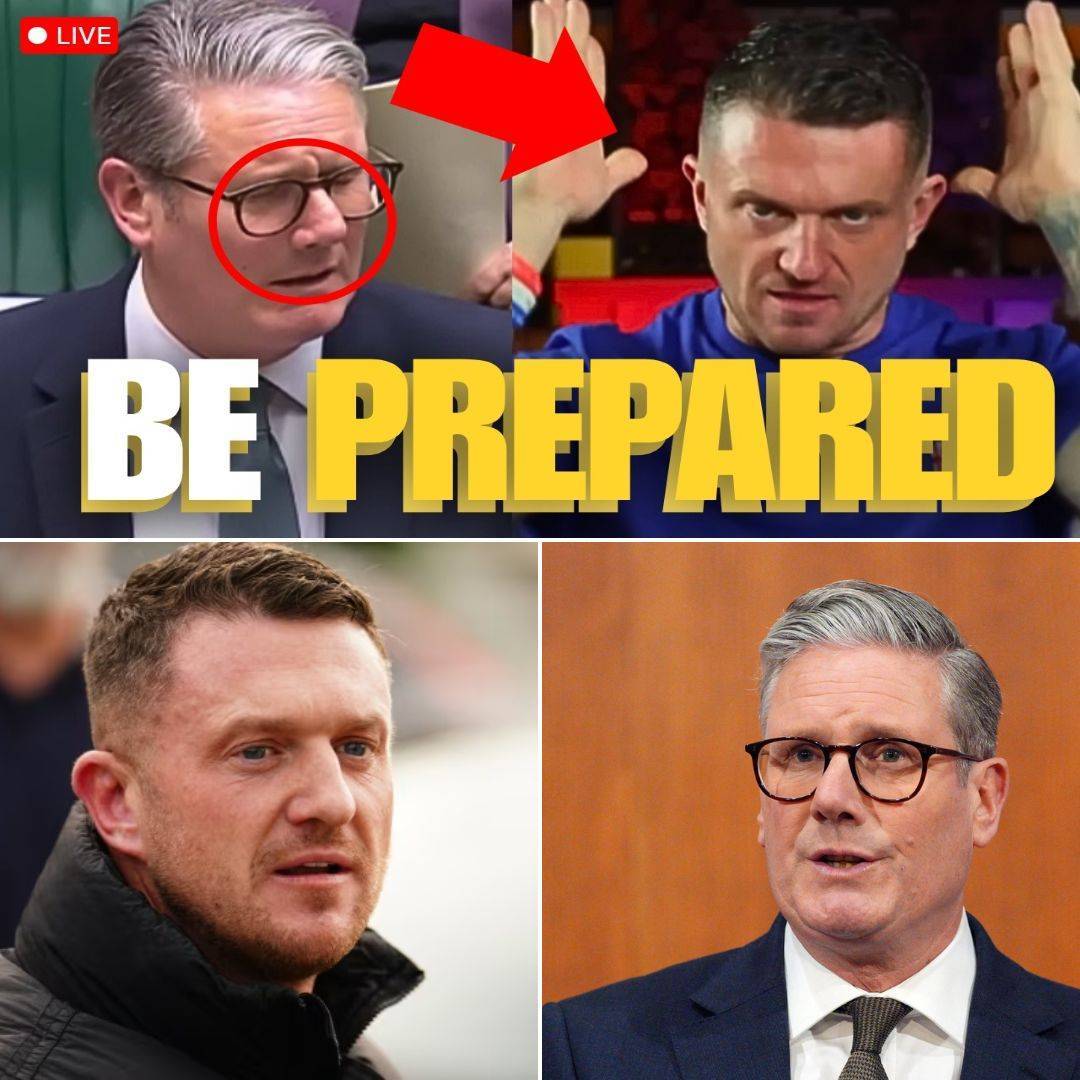
Tommy Robinson has issued a crucial, final warning ahead of the historic London rally set for September 13th, urging unity, peace, and discipline. This massive protest aims to ignite a national awakening as the silent majority prepares to break its silence, demanding profound change across Britain’s political and social landscape.
 Robinson’s message is unmistakable: the upcoming Great British Revolt will be peaceful and joyous, a demonstration of patriotism unchecked by violence or extremism. He stresses the importance of order, warning attendees that the movement’s success hinges on strict non-violence and transparency, with no masks or face coverings allowed to prevent infiltration by provocateurs.
For years, Robinson watched protests surge across Ireland and other regions, envying their impact. Now, he proclaims, Britain is finally stirring. The September 13th rally will be a spectacle drawing eyes worldwide, signaling to the West and beyond the birth of a new, resolute resistance against the status quo and political complacency.
The event isn’t just a protest; it is a pivotal moment loaded with historical significance. Robinson predicts this day will live in memory as the moment the silent majority refused to remain silent. Frustration over cultural erosion and government betrayal fuels this uprising. Attendees are cautioned against actions that could be used by the media and politicians to demonize and discredit the movement.
Robinson lays out an uncompromising directive: no violence, no alcohol excess, and absolutely no face coverings. He warns that any disguised participants will be treated as infiltrators hoping to incite chaos, a risk acknowledged and planned for with tight security measures and close collaboration with the Metropolitan Police.
 The Met Police, historically wary but cooperative, have played a crucial role in ensuring previous events passed without arrests or violent incidents. Robinson credits them and underscores the necessity of maintaining this cooperative spirit, emphasizing respect toward law enforcement to avoid giving critics and political adversaries any excuse to undermine the movement’s legitimacy.
Anticipating potential provocations, Robinson promotes an atmosphere of joyful patriotism and celebration. This is not a time for riots or aggression but a solemn yet jubilant festival of British identity and unity. He appeals to the crowd’s sense of responsibility, calling for self-control and unwavering discipline in a political moment charged with emotion and high stakes.
The underlying themes are stark: safeguarding Britain’s future, protecting its children, and combating what Robinson describes as a governmental betrayal allowing the destruction of British culture and safety. The rally is framed as a legitimate, awake, and vocal demonstration that can no longer be ignored by those in power.
Robinson’s rhetoric is fiery yet precise. He condemns parliamentarians labeling protesters as extremists while facilitating societal decay. His rallying cry is clear: the British lion is awake, its silence shattered, and a tidal wave of patriotism sweeps the nation. The movement’s trajectory depends entirely on the discipline and resolve shown on this critical day.

This event may redefine British politics. It challenges the establishment at its core and demands a new narrative, one free of distortion and erasure. Robinson calls on supporters to share this message widely, circumventing traditional media outlets accused of suppressing the truth, underscoring the rally’s urgency and the need for solidarity beyond London.
As September 13th approaches, tension and anticipation grow. This is more than just a protest — it is a political ultimatum. The silent majority refuses further marginalization, and the eyes of the world will be fixed on London to witness how Britain chooses its path forward amid rising unease and political fragmentation.
Robinson’s appeal underscores the gravity of the moment. He warns that failure to control anger or escalate aggression would hand ammunition to hostile media and politicians eager to discredit the movement. The call is for a disciplined, unified front, demonstrating strength through peaceful resistance and collective pride in British heritage and identity.
 This rally is poised to set a precedent, shaping the future of grassroots political activism in the UK. Its implications extend far beyond a single day of protest, signaling a widespread demand for accountability, cultural preservation, and a recalibration of power between the people and their representatives in Westminster.
Whatever unfolds on the 13th, the movement’s foundational principle remains clear: no masks, no violence, just a resolute stand by millions who feel betrayed and unheard. The rally could mark a transformative turning point or a moment quickly overshadowed — all dependent on the discipline and message maintained by attendees.
Robinson’s collaboration with police and his leadership in fostering a peaceful, joyous atmosphere reflect a strategic effort to avoid pitfalls that could derail the cause. Recognition of the movement’s responsibility is critical, especially as tensions simmer under the surface of accumulated frustrations over years of perceived injustice.
The silent majority has spoken: September 13th is their final call. It is a demand for fundamental change conveyed not through chaos but deliberate, controlled defiance. Britain stands at a crossroads, and this historic rally may prove to be the catalyst that shifts the country’s direction toward renewed national pride and recognition.
The challenge is immense: uniting millions under the banner of peaceful protest in a charged political environment. Robinson’s warning rings clear — missteps could unravel everything built so far. The stakes could not be higher in this defining moment, as Britain watches and waits for the country’s silent majority to roar with purpose and peace.