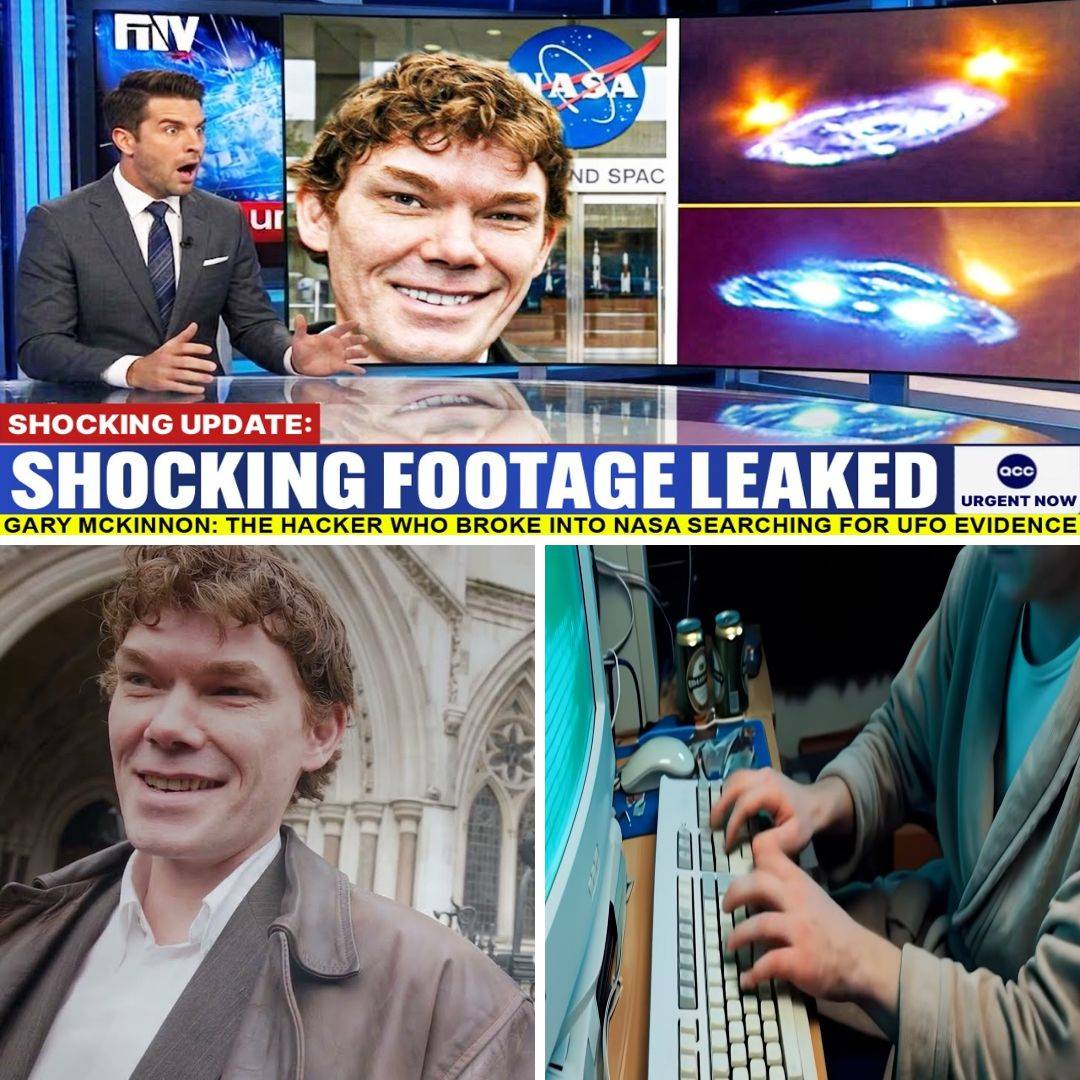
Gary McKinnon, a British hacker, executed the largest military computer breach in history, infiltrating NASA, the Pentagon, and multiple U.S. defense networks over 13 months. Driven by a quest for suppressed UFO evidence, his unprecedented intrusion triggered a decade-long legal battle culminating in a landmark extradition denial in 2012.
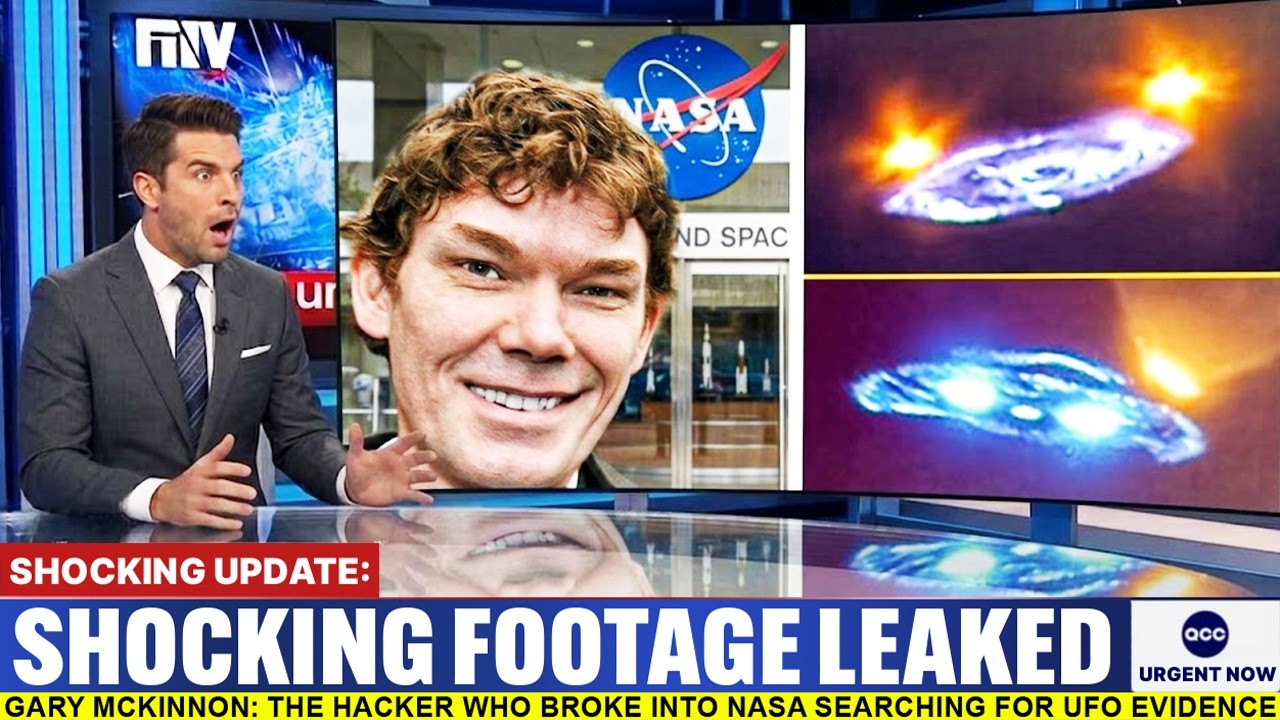 In early 2001, Gary McKinnon sat in a modest North London flat armed only with a dial-up internet connection and a basic scanning tool. Within months, he accessed 97 U.S. military and NASA computer systems, exploiting glaring security flaws — default and blank administrator passwords left wide open. This unprecedented vulnerability allowed him entry into the heart of America’s classified digital infrastructure.
His targets were staggering: NASA’s Goddard Space Flight Center, Johnson Space Center, the Pentagon, the Army, Navy, and Air Force networks. His motivation was singular — uncovering hidden truths about UFO technology and advanced propulsion systems allegedly suppressed by government authorities. McKinnon’s hacking was no ordinary cybercrime; it was a desperate moral crusade born from years of intense UFO research.
The U.S. Department of Justice labeled his actions the “biggest military computer hack of all time.” The fallout was severe. Over $700,000 in damage resulted from system outages, forensic investigations, and critical security overhauls. Military networks were forced offline during a peak period of national alert following the September 11 attacks, highlighting the profound operational impact of his intrusions.
McKinnon’s approach was unorthodox and noisy; he left digital footprints and even messaged military administrators about their inadequate security and suppressed free energy technology. Yet, despite his relentless probing, he never extracted files or copies of what he claimed to have seen. His evidence rested solely on his testimony and vivid memories under extreme pressure.

The most explosive claims from McKinnon stem from two alleged discoveries: a raw NASA image portraying a cigar-shaped spacecraft offshore known or acknowledged by the public, and a Department of Defense spreadsheet referencing “non-terrestrial officers” and unregistered space vessels. These revelations ignited fervent debate among UFO researchers worldwide.
However, official investigations found no corroborating evidence of these files. No photos, documents, or leaks beyond McKinnon’s testimony ever surfaced. American authorities explicitly stated that, while McKinnon’s unauthorized access was indisputable, no classified extraterrestrial material was extracted or proven to exist. The tantalizing mystery remains unresolved.
Arrested in November 2002, McKinnon faced extradition to the United States with potentially fatal consequences — a staggering 60 to 70 years in federal prison. This harsh sentence, viewed by many as disproportionate to his motives and actions, sparked widespread public outcry and legal challenges spanning over a decade.

The extradition battle 𝓮𝔁𝓹𝓸𝓼𝓮𝓭 deep flaws in the UK-US legal relationship, igniting calls to reconsider the 2003 treaty governing such cases. McKinnon’s defense emphasized his Asperger syndrome diagnosis, highlighting vulnerabilities that made incarceration abroad a severe human rights concern. His mother, Janice Sharp, became a tireless advocate, relentlessly campaigning against extradition.
After years of political friction and judicial appeals, British Home Secretary Theresa May intervened in 2012, halting the extradition on human rights grounds. Citing medical reports that extradition risked McKinnon’s mental health and life, she delivered a decisive blow to U.S. prosecutors and secured a landmark victory for McKinnon and digital civil liberties.
Despite this legal triumph, the story’s core mystery endures. The true nature of what McKinnon saw — whether concrete evidence of extraterrestrial technology or an artifact of his immersive UFO research combined with stressful hacking conditions — remains unknown and likely forever beyond reach.

Today, McKinnon stands unconvicted but forever marked as the individual behind history’s most extensive military digital breach. His case reshaped cybersecurity protocols, 𝓮𝔁𝓹𝓸𝓼𝓮𝓭 critical vulnerabilities, and continues to fuel global conversations about secrecy, technology, and the possibility of hidden truths beneath government programs.
This unprecedented saga underscores the precarious balance between digital freedom, security, and the pursuit of truth. Gary McKinnon’s journey, motivated by conviction and curiosity, reveals a dramatic chapter in the ongoing quest to uncover whether we are truly alone in the universe — a question that remains unanswered and fiercely debated.
As governments worldwide bolster their cyber defenses, McKinnon’s breach serves as a stark reminder that even the most secure systems can be penetrated, especially when left vulnerable by complacency. The legacy of this extraordinary hacking event echoes through history, forever linked to one man’s relentless search for the truth locked behind secretive screens.