New DNA tests have shattered longstanding mysteries surrounding the Romanovs, definitively exposing the fate of Russia’s last Imperial family. Decades of rumors, hidden graves, and alleged survivors have finally been laid to rest by groundbreaking genetic science, unmasking a secret the Russian monarchy desperately sought to conceal.
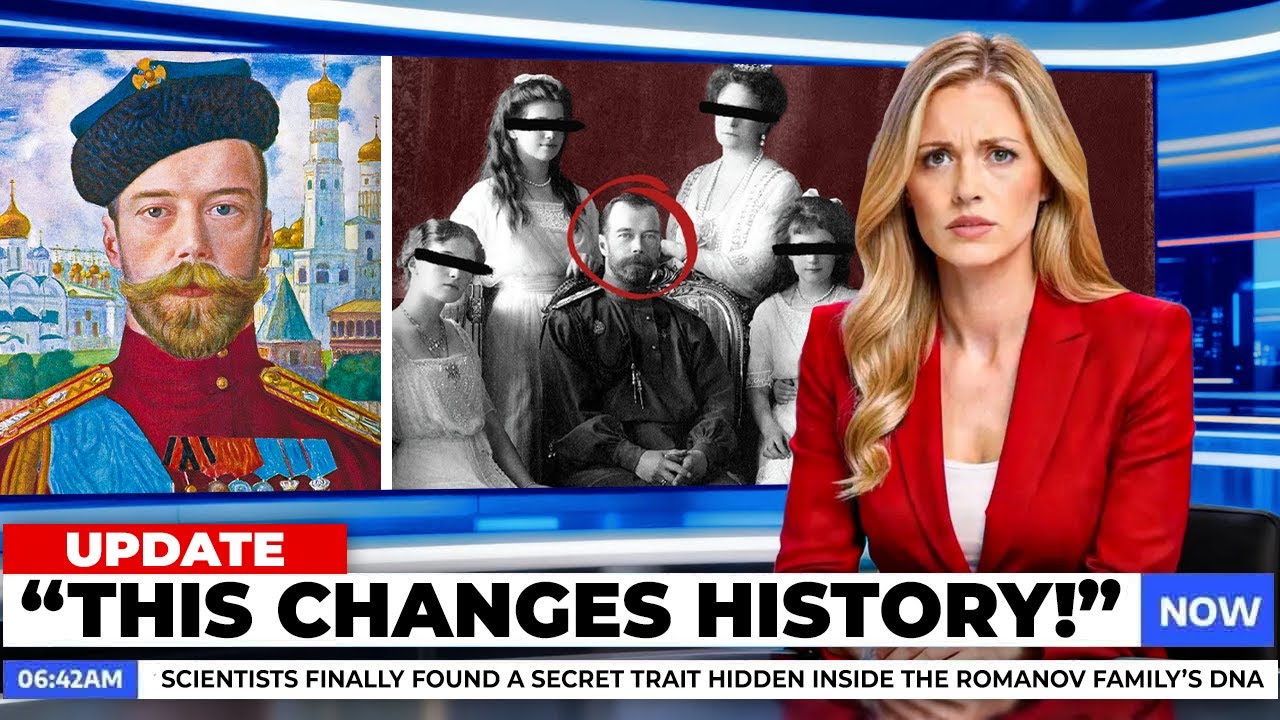
For nearly a century, the truth about the Romanovs’ demise was clouded by secrecy and speculation. Official accounts declared their execution in 1918, but missing bodies and sealed records sparked international intrigue. Tales of imperial escapees circulated widely, keeping hopes alive that some family members survived the Bolshevik crackdown.
The relentless quest for answers took a decisive turn in 1979 when geologist Dr. Alexander Avdonin led a covert excavation near Yekaterinburg. Beneath the Koptyaki forest, a mass grave holding disorganized bone fragments emerged—remains presumed to belong to the Romanovs and their loyal servants. This grim discovery marked the first tangible clue in decades.
Initial forensic work revealed nine sets of skeletal remains—two adults and several children—but their disarray confounded identification. Traditional physical methods proved insufficient. Scientists turned to the nascent power of DNA analysis to unravel the tangled genetic puzzle locked within fragile, decades-old bones.
Between 1979 and 1990, pioneering DNA tests confirmed a family connection among the remains. Yet skepticism lingered, prompting advanced retesting in 1993. New genetic techniques, including short tandem repeat and mitochondrial DNA analyses, conclusively linked the bones to Tsar Nicholas II, Tsarina Alexandra, and three daughters, dismantling theories of escape or survival.
Mitochondrial DNA testing reached living relatives, notably Prince Philip, Duke of Edinburgh, confirming maternal lineage from Queen Victoria. Male lineage identification was more complex, requiring cooperation from distant kin and comparison with Tsar Nicholas’s brother’s remains. The genetic links unequivocally affirmed these were the last Romanovs.

While the main grave’s discoveries were groundbreaking, two children remained missing for years, fueling lingering mysteries. Historical documents describing separate burial sites eventually propelled further excavations. In 2007, charred and fragmented remains of Tsarevich Alexei and one daughter were located. This final find closed the chapter on missing Romanov family members.
Advanced DNA techniques, including autosomal STR and Y-STR testing, validated the identities of Alexei and the young woman. Their genetic markers matched the previously identified Romanov relatives with near-irrefutable certainty, silencing decades of rumors about possible survivors or hidden heirs.
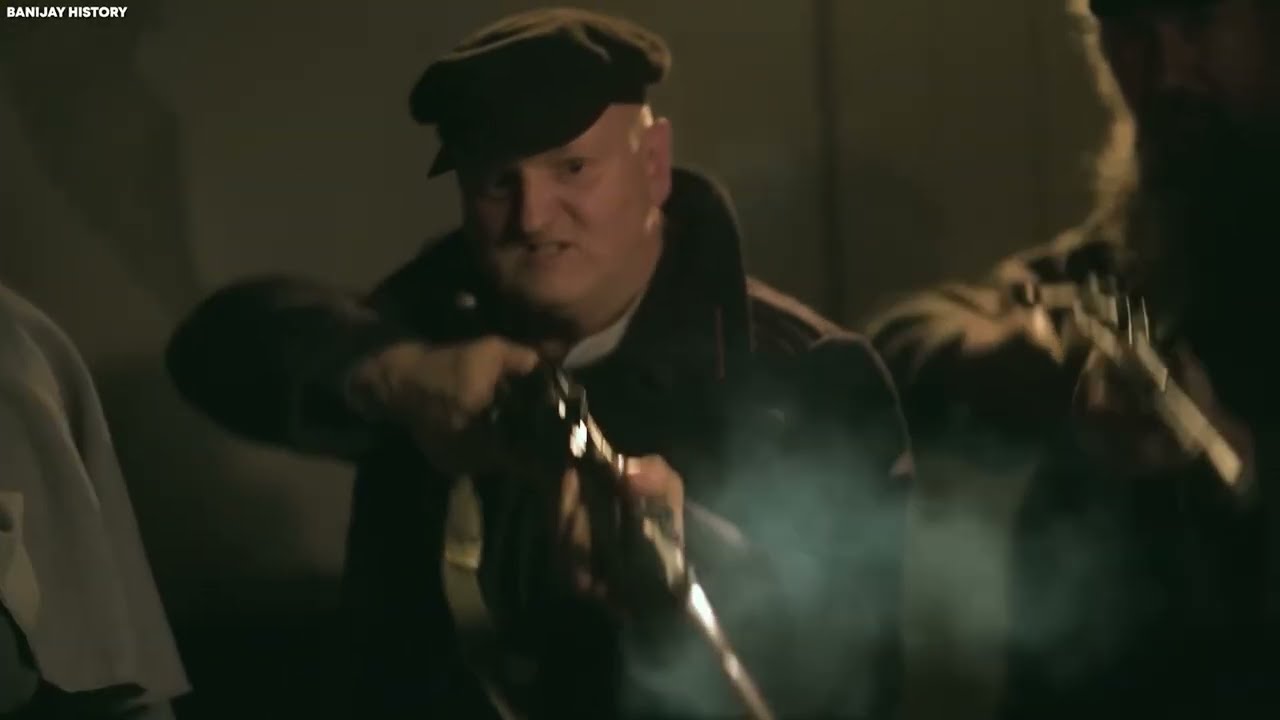
The brutal reality of the Romanovs’ fate finally emerged in stark detail. In July 1918, amid a volatile civil war and mounting Bolshevik fears, the entire imperial family and close servants were executed in a basement in Yekaterinburg. Attempts to obscure the massacre involved burning bodies and clandestine burials.
Rumors and misinformation abounded for decades. The Soviet regime alternated between official denials and false narratives, fueling decades of conspiracy theories. The absence of physical proof entrenched public doubt, allowing myths such as Anastasia’s survival to capture imaginations worldwide.
These enduring claims were beaten back by science. DNA testing disproved imposters like Anna Anderson, whose mitochondrial DNA matched a non-Romanov Polish family. It was relentless genetic forensic work, coupled with painstaking archaeological efforts, that ultimately delivered irrefutable proof of the Romanovs’ tragic end.
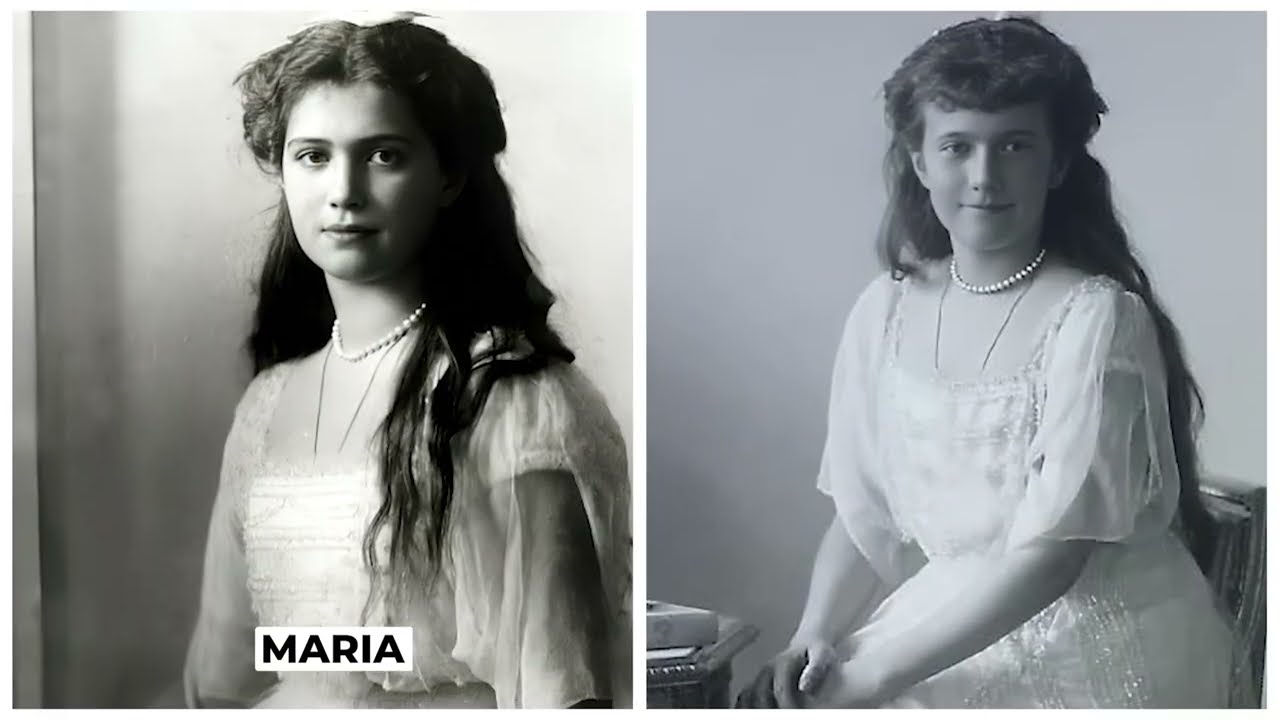
Despite scientific breakthroughs, controversies persisted. Critics questioned DNA sample integrity, laboratory procedures, and potential political influence over findings. The presence of rare mitochondrial heteroplasmy in Nicholas II’s DNA sparked debate, complicating interpretations of genetic evidence and fueling conspiracy theories.
Religious institutions added further complexity. The Russian Orthodox Church hesitated to fully endorse DNA conclusions without spiritual confirmation. As the Romanovs were canonized saints, the Church emphasized traditional relic authentication over molecular data, causing delays in formal recognition of the remains.
Political upheaval shadowed the forensic revelations. Post-Soviet Russia grappled with historical reckoning amid instability. Some viewed DNA findings as a national reconciliation tool; others suspected Western interference via British scientists. Distrust of institutions shaped public skepticism, prolonging debates despite mounting evidence.
Media coverage amplified controversy by spotlighting doubts rather than consensus. Sensational stories about secret survivors and hidden graves outpaced nuanced explanations of genetic science. Simplification of complex genetic methods in popular narratives allowed myths to endure longer than factual data warranted.
The burial of the Romanovs in the late 1990s symbolized a pivotal moment for Russia’s collective memory. Interred in St. Petersburg’s Saints Peter and Paul Cathedral, their remains embodied a painful reconciliation with a suppressed history. Yet disputes over authenticity and rightful representation among Romanov descendants complicated closure.
Divergent claims to the Romanov legacy intensified family schisms. While some asserted direct dynastic rights, others favored collective historical acknowledgement. The emergence of rival Romanov factions underscored lingering tensions between heritage preservation and contemporary political realities.
The legacy debate expanded in the 21st century. Figures like Maria Vladimirovna and Prince Karl Emich of Leiningen staked contested claims to the headship of the imperial house, invoking both genealogical lineage and religious affiliation. These disputes, largely symbolic, reveal the persistent power of the Romanov name.
Today, the Romanov saga encapsulates historical tragedy, forensic triumph, and contested memory. The latest DNA revelations not only debunk myths but expose deliberate efforts by successive regimes to obscure the past. As science illuminated the long-hidden truths, Russia confronts the complex interplay of history, identity, and truth.
The scientific breakthroughs that settled the Romanov mystery stand as testament to the transformative power of modern genetics. From burnt bones deep in a remote forest to global royal connections, DNA dismantled decades of uncertainty, forever changing the narrative of Russia’s fallen dynasty.
As the world moves beyond speculation, the Romanovs’ story continues to provoke reflection on the costs of revolution, the fragility of power, and the enduring quest for historical truth amid political upheaval. The final chapter, written in genetic code, closes a century-old secret the monarchy fought vigorously to conceal.
Source: YouTube