From Blockchain to Bust: U.S. Agents Strike Major Drug Financing Operation
A quiet digital trail has led to a very real-world crackdown, as federal authorities in the United States moved to seize approximately $10 million in cryptocurrency allegedly linked to a network associated with the Sinaloa Cartel.
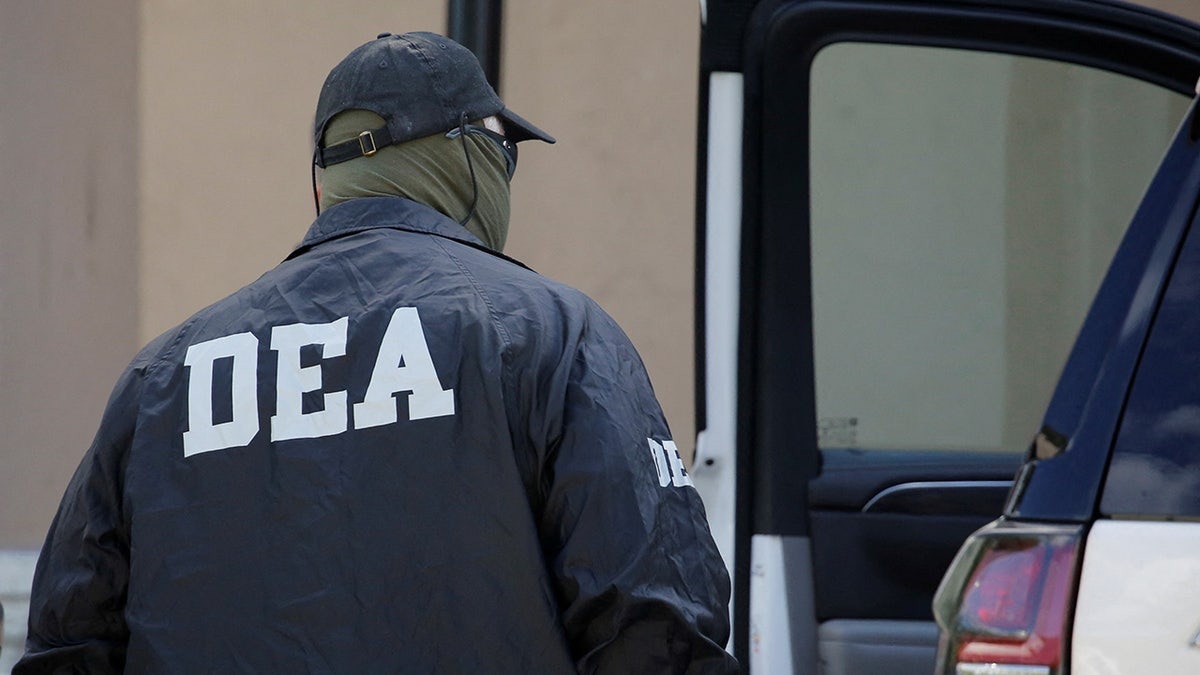
The operation, carried out by the Drug Enforcement Administration and the Federal Bureau of Investigation, marks a significant moment in the evolving battle between law enforcement and increasingly sophisticated financial systems used by organized crime.
Unlike traditional raids involving physical evidence and seized contraband, this case unfolded largely in the digital shadows.
Investigators followed a complex web of blockchain transactions, tracing funds that moved rapidly across wallets, platforms, and jurisdictions.
At first glance, the transfers appeared routine—fragments of data moving through decentralized networks.
But beneath the surface, analysts began to notice patterns.
Clusters of wallets interacting repeatedly.
Transactions structured to avoid attention.
Digital assets shifting across exchanges in ways that suggested coordination rather than coincidence.
Over time, what seemed like isolated movements began to form a map.
A map that pointed toward a financial system allegedly supporting a broader drug trafficking operation.
Authorities believe the cryptocurrency was used to facilitate payments, move profits, and potentially obscure the origins of funds tied to narcotics distribution.
By leveraging digital currencies, such networks can operate with a degree of speed and anonymity that traditional financial systems do not easily allow.
That advantage, however, is not absolute.
As this case demonstrates, blockchain technology also leaves a trail—one that can be analyzed, reconstructed, and ultimately used as evidence.
The seizure itself represents the culmination of months of investigative work.
Agents coordinated with financial experts, cybersecurity analysts, and international partners to identify and secure access to the targeted assets.
Once the digital wallets were linked to the alleged network, legal processes were initiated to authorize the seizure.
When the moment came, the action was swift.
Funds were frozen, access was restricted, and control of the assets was transferred under federal authority.
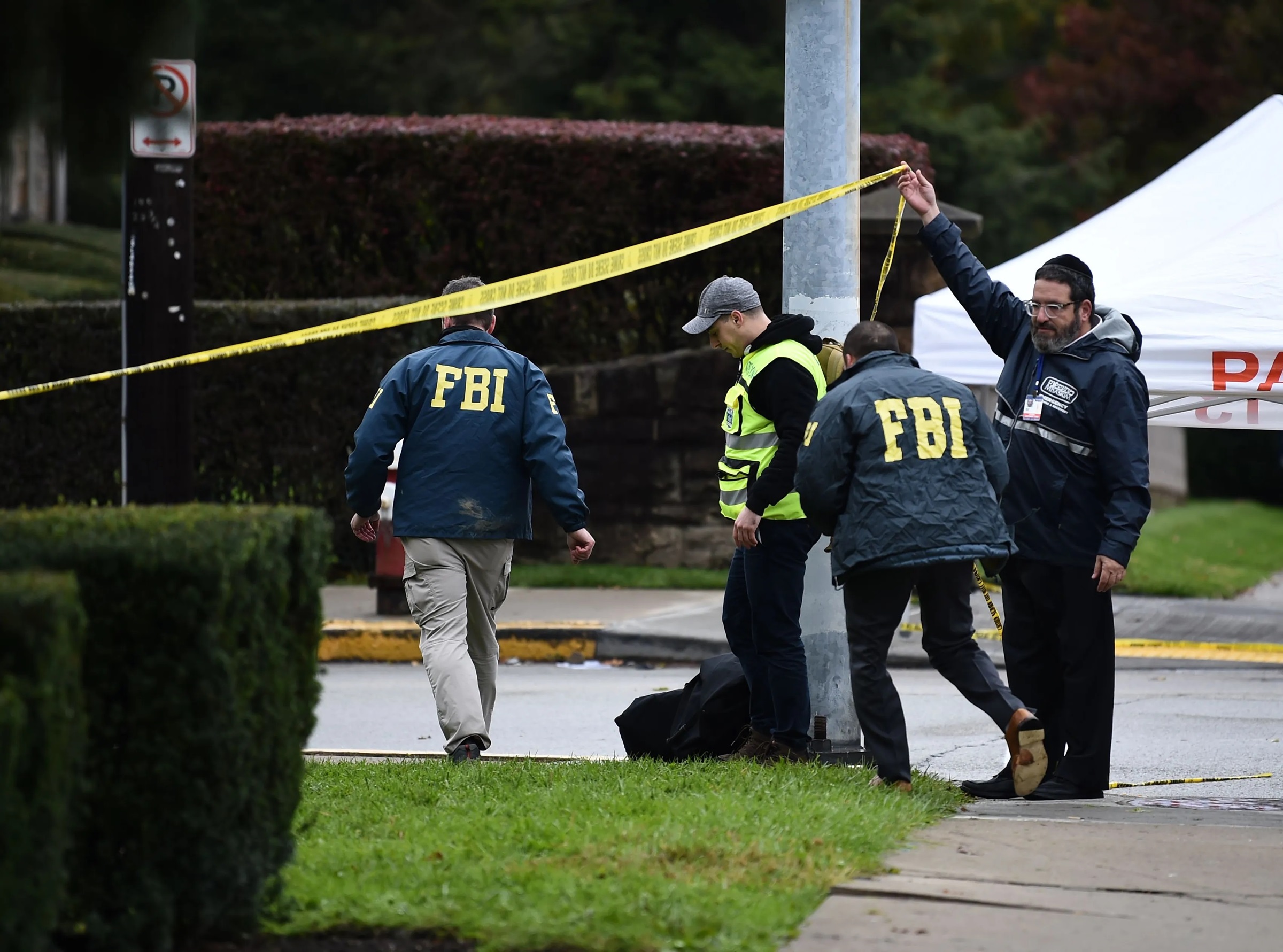
For investigators, the operation is being described as both a tactical success and a strategic milestone.
“This is about more than just the amount,” one official noted.
“It’s about disrupting the financial backbone that supports these networks.”
The connection to the Sinaloa Cartel adds further weight to the case.
Long recognized as one of the most influential trafficking organizations, the cartel has adapted over time, incorporating new technologies and methods to sustain its operations.
The use of cryptocurrency is seen as part of that evolution.
Experts say this shift reflects a broader trend across organized crime.
As enforcement efforts intensify in traditional channels, networks increasingly turn to digital solutions to move money and manage risk.
Cryptocurrency, with its global reach and decentralized structure, offers both opportunity and challenge.
For law enforcement, the key lies in adapting just as quickly.
In recent years, agencies like the Drug Enforcement Administration and the Federal Bureau of Investigation have expanded their capabilities in digital forensics and financial analysis.
Specialized units now focus on tracking blockchain activity, identifying patterns, and collaborating with private-sector partners to monitor suspicious transactions.
This case highlights how those efforts are beginning to yield results.

Still, officials caution that the seizure of $10 million may represent only a fraction of the total financial activity linked to the network.
Investigators are continuing to analyze data, follow transaction trails, and identify additional assets that may be connected.
The possibility of further seizures—and potential arrests—remains on the table.
Legal experts note that cases involving cryptocurrency can be particularly complex.
Establishing ownership, proving intent, and navigating international jurisdictions all present unique challenges.
At the same time, the transparent nature of blockchain records can provide powerful evidence when properly interpreted.
As the investigation moves forward, attention will likely focus on how the funds were generated, how they were used, and who ultimately controlled the wallets involved.
Each answer has the potential to expand the scope of the case.
For communities affected by drug trafficking, the operation represents a step toward disrupting the systems that enable such activity.
By targeting financial infrastructure, authorities aim to weaken networks at their core—limiting their ability to operate, expand, and adapt.
Yet the broader battle is far from over.
Organized crime continues to evolve, exploring new technologies and strategies to stay ahead of enforcement efforts.
The challenge for authorities is not only to respond, but to anticipate.
As digital finance becomes increasingly integrated into global systems, the lines between legitimate and illicit activity may become harder to distinguish.
That reality underscores the importance of ongoing vigilance, innovation, and collaboration.
What began as a series of obscure digital transactions has now become a defining case in the intersection of crime and technology.
It is a reminder that even in the decentralized world of cryptocurrency, actions leave traces—and those traces can lead to accountability.
As investigators continue to follow the trail, the full scope of the network may yet come into view.
And with each new discovery, the balance between anonymity and enforcement shifts just a little further.