In recent years, Iran has been employing asymmetric warfare tactics to challenge and stretch the capabilities of the United States and Israel. Asymmetric warfare refers to strategies used by weaker military forces to offset the strengths of more powerful adversaries. Iran’s adoption of these tactics has allowed it to effectively engage in conflicts with superior military powers, such as the US and Israel.
One of the key elements of Iran’s asymmetric warfare strategy is its use of proxy forces and non-state actors to carry out attacks on its behalf. By operating through proxies such as Hezbollah in Lebanon and various militias in Iraq and Syria, Iran is able to project power across the region while maintaining plausible deniability. This allows Iran to pursue its strategic objectives without directly engaging in open conflict with its enemies.
Iran has also invested heavily in developing its cyber warfare capabilities as part of its asymmetric strategy. Iranian hackers have been responsible for a number of high-profile cyber attacks against US and Israeli targets, including government agencies, infrastructure, and businesses. These attacks have demonstrated Iran’s ability to cause significant disruption and damage using non-conventional means.
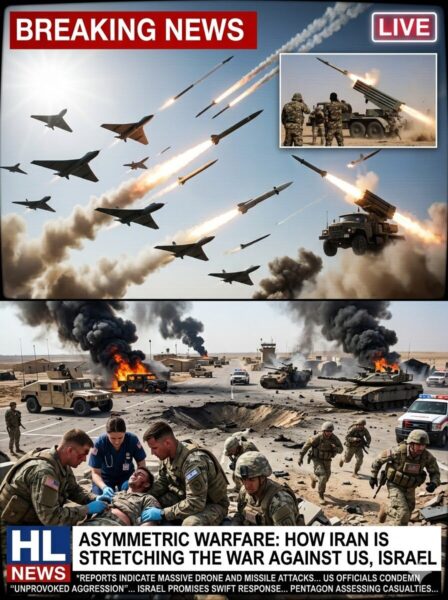
Furthermore, Iran has engaged in unconventional tactics such as the use of drones and ballistic missiles to target its adversaries. These weapons platforms allow Iran to strike key targets with precision from a distance, reducing the risk to its own forces while maximizing the impact on its enemies. By leveraging these technologies, Iran has been able to challenge the military superiority of the US and Israel in the region.

The use of asymmetric warfare by Iran poses a significant challenge to US and Israeli security interests in the Middle East. Traditional military responses may not always be effective against these unconventional tactics, requiring a shift in strategy and tactics to effectively counter Iran’s actions. As Iran continues to innovate and adapt its asymmetric warfare capabilities, the US and Israel will need to remain vigilant and proactive in order to protect their interests and maintain stability in the region.
In conclusion, Iran’s use of asymmetric warfare against the US and Israel represents a sophisticated and evolving threat that requires careful monitoring and strategic planning to address effectively. By understanding and countering Iran’s tactics, the US and Israel can work to mitigate the risks posed by Iran’s asymmetric warfare strategy and maintain regional security and stability.