
Prime Minister Anthony Albanese promised Australia a new era of transparency, but years into his term, that promise has drastically unraveled. Official reports and urgent government responses are plagued by silence, delay, and obfuscation, revealing a troubling return to opaque politics instead of the clear accountability he championed.
 When Anthony Albanese assumed office, he sold Australians a vision: an end to secrecy, a commitment to openness, and a fresh political culture rooted in honesty. Yet, the reality has diverged sharply from that vision. Government processes meant to ensure transparency are now bogged down, sidelined, or ignored, leaving key issues unresolved and the public in the dark.
Parliamentary committee reports – vital tools for government accountability – are piling up unanswered. These reports cover critical topics: rising anti-Semitism on campuses, food security challenges amid global instability, financial 𝓪𝓫𝓾𝓼𝓮 protections, and calls to restrict gambling advertisements. Such core public concerns are met with bureaucratic inertia or outright neglect.
Since the last federal election, the government’s response rate to parliamentary inquiries hovers near negligible. Only a few narrow, technical issues have received timely attention, while the vast majority of urgent recommendations sit unaddressed. This pattern signals not proactive governance but reactionary damage control when embarrassment surfaces.
The government’s handling of sensitive topics, especially regarding anti-Semitism, underscores this delay. Reports from envoy investigations languished for months without reply, even as Jewish communities face escalating threats and insecurity. The Prime Minister’s office opts for silence over decisive action or meaningful public engagement, deepening fears and frustration.

The Bondi terrorist attack rattled the nation, sparking calls for an authoritative Royal Commission to uncover failures and prevent recurrence. Albanese’s response centered on unity rhetoric, yet fell short of commitment to an independent inquiry capable of delivering unvarnished truths. Instead, the government offered a diluted review framework, avoiding the transparency that the public demands.
Under scrutiny, the Prime Minister repeatedly deflects responsibility, citing independent bodies and established rules. Yet, this stance shifts when political pressure mounts. Last Christmas, amid national distraction, the government quietly shifted its position on parliamentary expenses, seeking tribunal advice after initially defending opaque practices—revealing convenience trumped principle.
This flip-flop in handling rules erodes trust. Are protocols strictly upheld, or bent when political heat intensifies? Transparency cannot coexist with arbitrary rule changes or selective outrage. Instead of leading with openness, the government retreats behind procedure or drags its heels until issues fade from public attention.
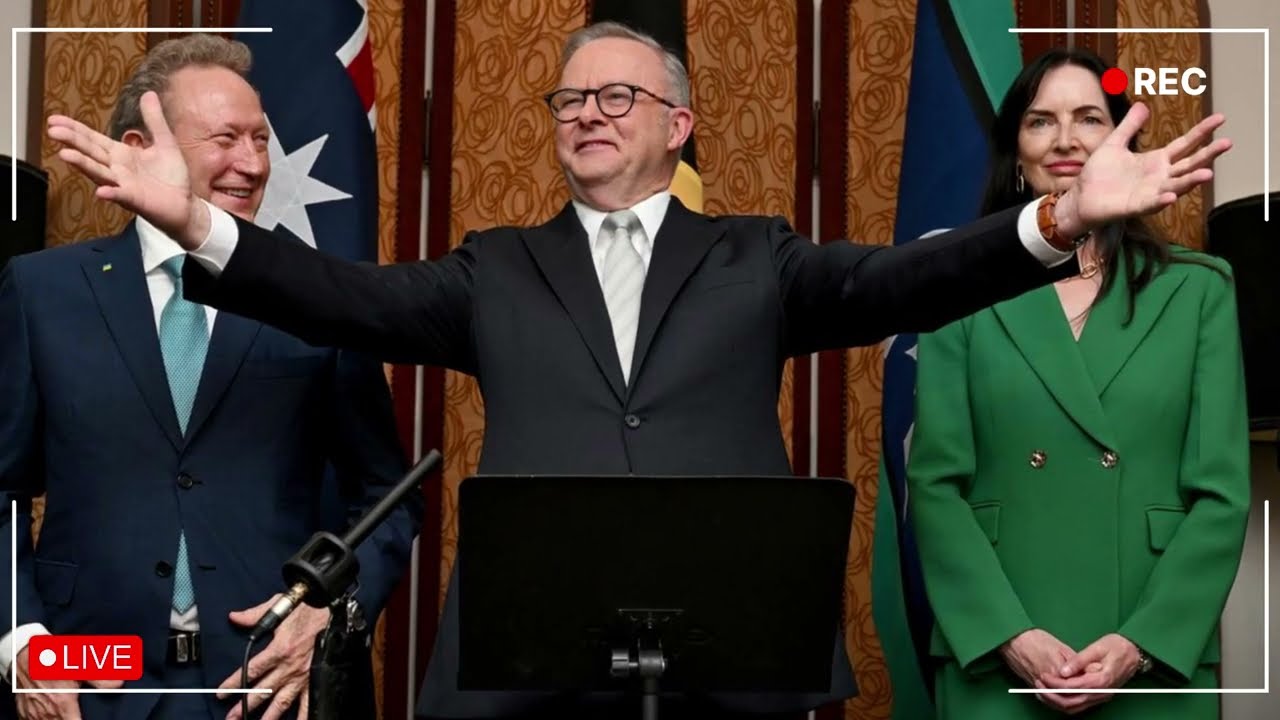
The government’s secrecy extends beyond internal processes. On sensitive national security matters—such as returned ISIS-affiliated individuals—official responses were dismissive and delayed until media pressure forced revelations. This pattern of releasing information only under duress highlights a persistent reluctance to be genuinely forthcoming.
Transparency is not a mere slogan; it is a standard, a practice visible in moments of discomfort and challenge. Albanese promised renewed trust in political institutions grounded in honesty and timely disclosure. Yet, his administration’s consistent delays and evasions suggest that promise has been quietly shelved in favor of old political habits.
Australians grow increasingly aware that being “open” under Albanese means information emerges only when unavoidable. The intentional delays on dozens of reports, refusal to answer pressing parliamentary questions, and opaque handling of critical issues betray a leadership more interested in protecting itself than serving democratic accountability.
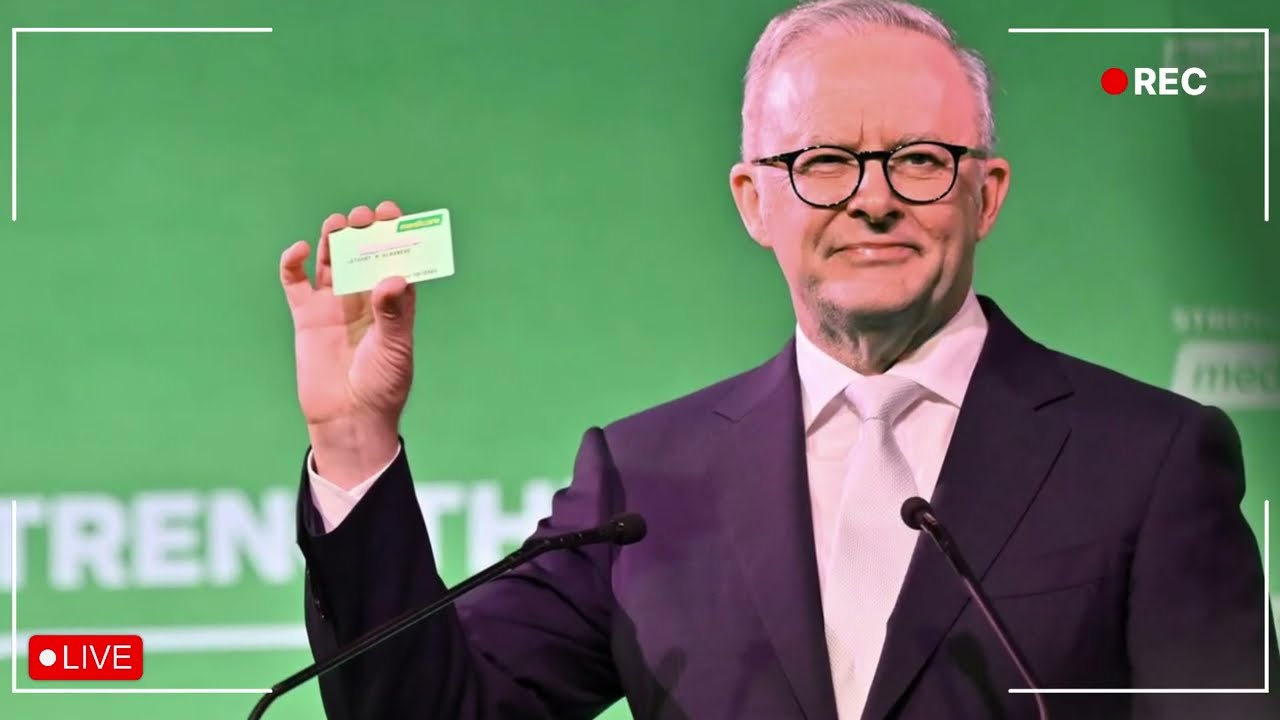
The gap between Albanese’s transparency rhetoric and government action widens. Rather than a beacon of change, the administration mirrors the opacity it vowed to eradicate, shrouding important decisions behind bureaucratic walls. This breakdown in openness is fundamentally a breach of public trust, undermining faith in governance itself.
Calls for greater accountability intensify. Citizens demand clear, prompt responses, and governments that confront uncomfortable realities head-on. Delayed transparency equates to denied transparency—an abdication of responsibility that jeopardizes the very principles on which democratic Australia stands.
Prime Minister Albanese’s initial pledge was bold: political renewal through genuine openness. Today, many Australians feel betrayed as promises dissolve into bureaucratic silence. The need for substantive transparency is urgent—not optional. Without it, trust frays, and political cynicism deepens, 𝓉𝒽𝓇𝑒𝒶𝓉𝑒𝓃𝒾𝓃𝑔 the social contract itself.
It’s time for the Albanese government to live up to its words, to treat Australians not as passive observers but as informed participants. Transparency must be habitual, immediate, and unflinching, even when uncomfortable. Anything less is a broken promise demanding a reckoning on accountability and governance in Canberra.