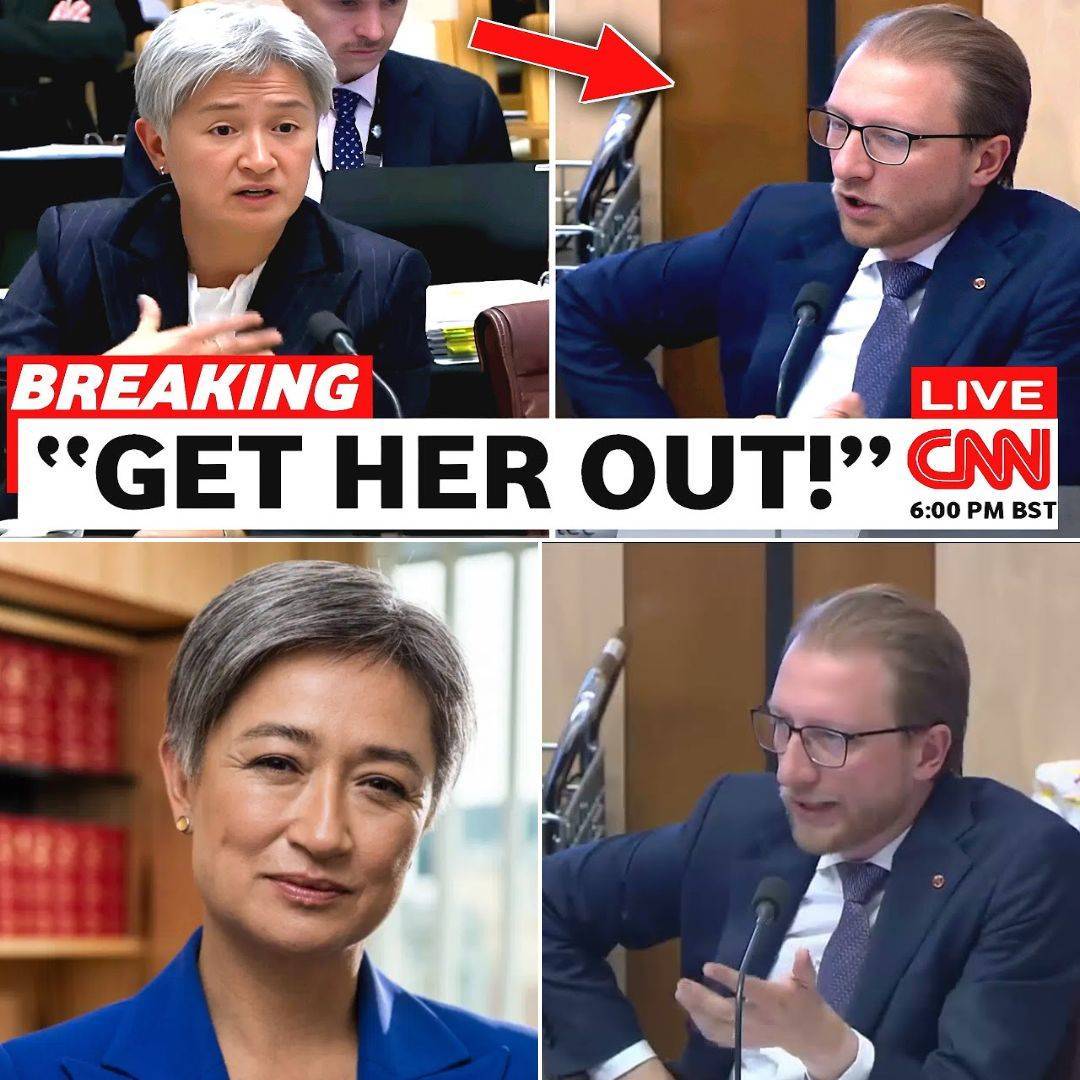
In a fiery Senate estimates hearing today, Senator Penny Wong exploded under relentless questioning from Senator James Paterson, exposing a government failing to clearly answer when and how it learned about the return of ISIS brides to Australia. The exchange revealed alarming gaps in transparency and accountability on national security.
 The tense confrontation unfolded over a simple yet critical demand: when did the Department of the Prime Minister and Cabinet (PMNC) first discover that ISIS-affiliated individuals had returned on Australian soil? Senator Paterson’s probing questions met repeated stonewalling as officials refused to confirm any specific timeline or source of information, citing procedural barriers.
Paterson methodically dismantled evasive responses. He distinguished between knowledge of individuals wishing to return from conflict zones and confirmation that they had actually arrived. Despite the gravity of the matter, the government’s representatives declined to verify if they learned of the return through official channels or merely from media reports such as the Herald Sun’s revealing story last week.
The exchange brought national security oversight into sharp focus. Senator Wong maintained that responsibility mainly lies with Home Affairs, insisting Senate estimates was the wrong place for such queries. Yet PMNC sits at the heart of government coordination. The inability to directly confirm foundational facts casts doubt on how information flows within the highest levels of administration.
Frustration boiled over as accusations of rudeness and badgering flew across the chamber. Senator Wong accused Paterson of politicizing the proceedings, while he retorted not needing decorum lessons from someone failing to answer fundamental questions. The heated atmosphere underscored the battle between political accountability and bureaucratic silence.
As the hearing played out like a pressure cooker, viewers at home saw a government struggling to reconcile operational security with the public’s right to transparency. The issue struck a nerve with veterans, families affected by terrorism, and everyday Australians demanding clarity on how returning terror-linked citizens are monitored and managed.
 Evidence suggested some officials may have learned critical security information through media exposure rather than formal notifications, raising profound concerns about governmental coordination. Former senior officials privately expressed alarm over this apparent lapse and the opacity surrounding the handling of such a sensitive national security threat.
The political ramifications are already materializing. Opposition leaders are leveraging this exchange to paint the government as evasive under scrutiny. State governments face pressure to clarify their knowledge and involvement. Public confidence risks erosion amidst fears that essential safety information is being withheld or diluted through bureaucratic jargon.
International eyes are watching, too. Australia’s handling of ISIS returnees is benchmarked by allies balancing similar security and human rights challenges. The inability to present a clear, unified account impairs Australia’s credibility as a stable, transparent partner in global counterterror efforts, complicating diplomatic dynamics.
Prominent security analysts suggest this episode exposes structural weaknesses in intelligence sharing and interagency cooperation at the federal level. The blurred lines between departments leave accountability ambiguous, while public patience for “taking questions on notice” as a permanent answer is rapidly running out amidst growing skepticism.
Senator Paterson’s blunt question cut to the core: if the Prime Minister’s central department cannot state when or how such a profound security breach was identified, how can Australians trust that their safety is being effectively safeguarded? The government’s generalized reassurances fall miserably short under this intense scrutiny.

The episode exposes a fundamental tension in modern governance: balancing transparent accountability with the need to protect sensitive operations. But as frustration mounts, it is clear Australians crave more than vague promises—they demand clear answers that reinforce trust in those charged with national security.
With cameras off and official proceedings concluded, the unresolved questions continue to reverberate through media, public forums, and political discourse. The challenge remains: will the government provide the clarity and responsibility expected by a democracy reliant on trust, or will deflections maintain the current opaque status?
This 𝒔𝒄𝒂𝓃𝒅𝒂𝓁 is not merely parliamentary theater; it is a crisis of confidence that threatens to erode the foundational trust between citizens and their government. Until comprehensive, concrete answers replace evasions, public anxiety over who has returned, when they were detected, and how they are controlled will only deepen.
The call for accountability is urgent. Australians deserve straightforward truth on how returning ISIS affiliates are tracked, monitored, and managed—the cornerstone of national safety in an era fraught with terror threats. Anything less risks more than political fallout; it imperils public security itself.
 In these turbulent times, silence and obfuscation are intolerable. A robust democracy demands government transparency, especially on matters that strike at the very heart of national safety. Senator Paterson’s relentless scrutiny sets a precedent: no government stone can remain unturned when citizens’ security is on the line.
The fallout from today’s explosive hearing will not fade quickly. Communities across Australia—from urban centers to regional towns—are watching, questioning, and expecting accountability. This moment marks a pivotal test of whether trust in Australian governance can withstand scrutiny or will crumble under the weight of unanswered questions.
As pundits and policymakers debate reforms to interagency coordination and intelligence oversight, one fact remains clear. Australians crave clarity on who knew what and when, and insist that vague procedural answers no longer suffice. The government’s response in coming days will determine the future trajectory of public trust in national security.
This is more than political sparring; it is a defining moment in Australia’s commitment to responsible, transparent governance amid evolving global threats. The people demand not just protection, but knowledge—a right no democratic government can afford to deny.
The story is developing, and public attention is locked. How the government navigates this crisis of confidence will resonate long beyond the walls of Parliament House, shaping Australia’s security landscape and democratic integrity for years to come. The nation waits—and watches—with bated breath.